
Understanding the Role of Aggregate Suppliers in Infrastructure Projects


The Importance of Aggregate Suppliers
Infrastructure projects are the backbone of modern society, encompassing everything from roads and bridges to airports and railways. A crucial yet often overlooked component of these projects is the role of aggregate suppliers. Aggregates, which include sand, gravel, and crushed stone, form the building blocks of construction, providing stability and strength to structures.
Aggregate suppliers ensure that construction companies have access to the high-quality materials necessary for successful project completion. By understanding their role, project managers and developers can better appreciate the value these suppliers add to infrastructure development.

Types of Aggregates and Their Uses
Aggregates come in various types, each suited for specific applications in infrastructure projects. The main categories include:
- Sand: Used primarily in concrete and asphalt mixtures, sand provides crucial support and stability.
- Gravel: Often used as a base material for roads and foundations, gravel offers excellent drainage properties.
- Crushed Stone: Known for its versatility, crushed stone is used in everything from road construction to decorative landscaping.
Understanding these types helps in selecting the right materials for specific project needs, ensuring durability and longevity.
The Supply Chain and Logistics
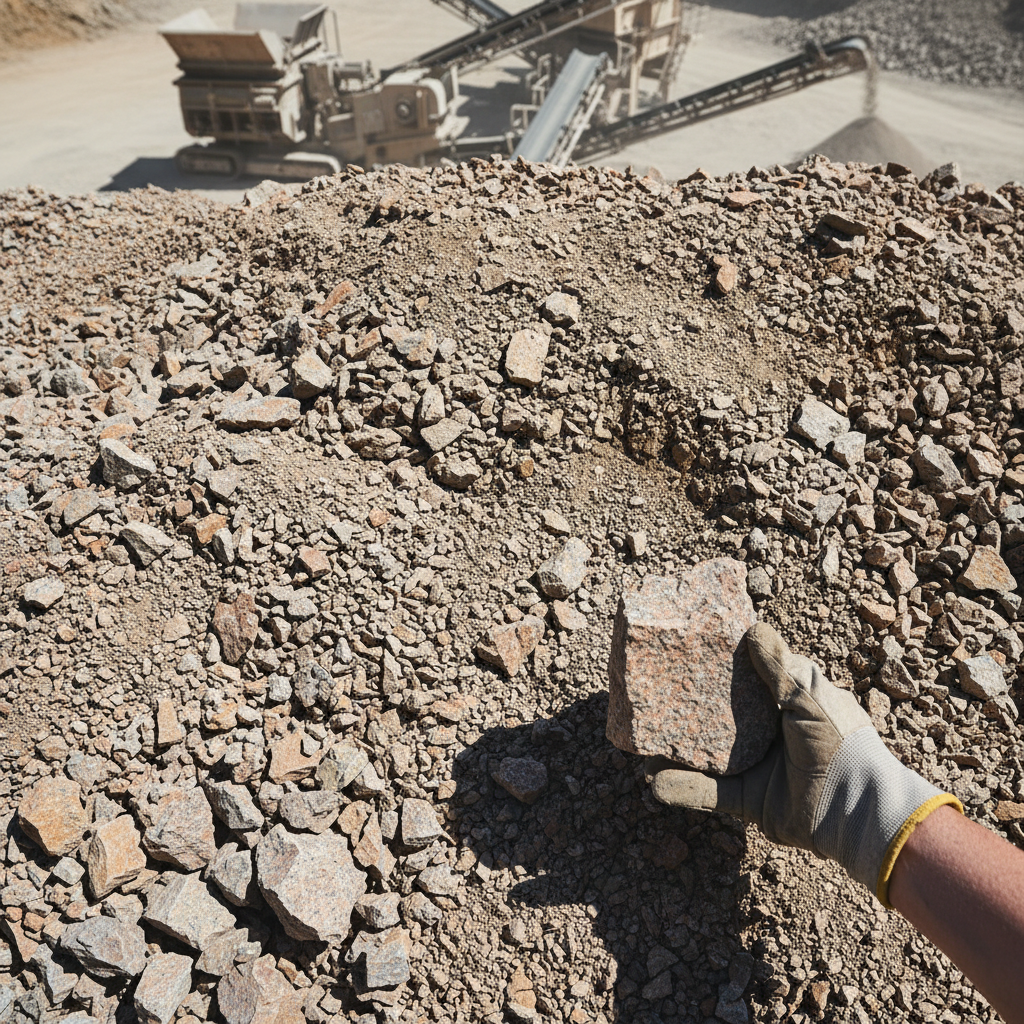
Aggregate suppliers play a vital role in the supply chain, managing the extraction, processing, and delivery of materials. This involves:
- Extraction: Aggregates are mined from quarries and riverbeds, a process requiring careful environmental considerations.
- Processing: Once extracted, aggregates are crushed, screened, and washed to meet specific size and quality standards.
- Delivery: Timely delivery to construction sites is essential to keep infrastructure projects on schedule.
Efficient logistics and supply chain management are crucial, as any delays can hinder project timelines and increase costs.

Environmental and Regulatory Considerations
Aggregate suppliers must navigate a complex landscape of environmental regulations and sustainability concerns. Mining and processing activities must comply with local, state, and federal regulations to minimize environmental impact.
Many suppliers are adopting sustainable practices, such as using recycled materials and optimizing transportation routes to reduce carbon footprints. These efforts not only comply with regulations but also enhance the reputation of suppliers committed to environmental stewardship.
Quality Control and Assurance
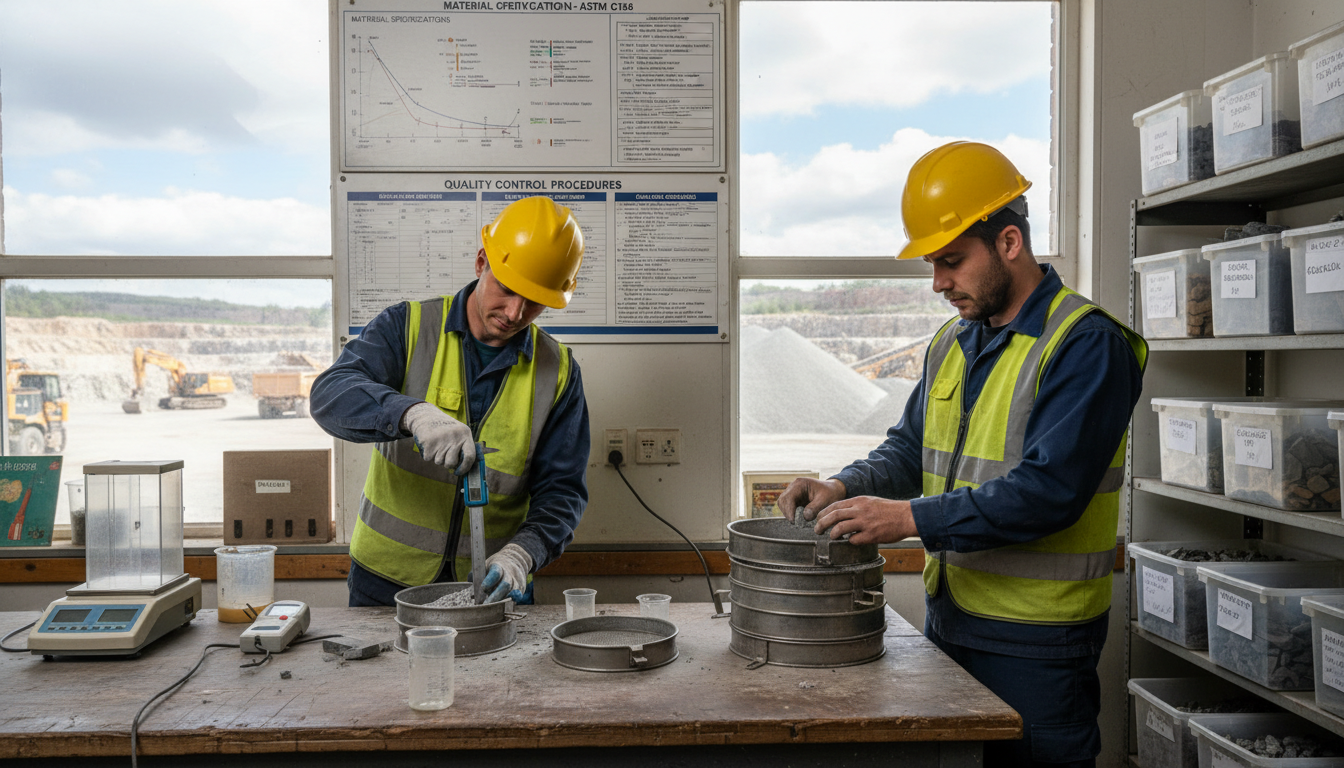
Quality control is a critical aspect of the aggregate supply process. Suppliers conduct rigorous testing to ensure that materials meet specific standards and specifications required for infrastructure projects.
By maintaining strict quality assurance protocols, suppliers help prevent structural failures and extend the lifespan of construction projects. This commitment to quality underpins the reliability and safety of infrastructure developments.
Collaboration with Construction Companies
Successful infrastructure projects rely on close collaboration between aggregate suppliers and construction companies. Open communication ensures that the right materials are delivered on time and meet project requirements.
This partnership is essential for adapting to changes in project scope or unexpected challenges, allowing for flexible and responsive solutions. By working together, suppliers and contractors can achieve mutual success and contribute to the growth and development of infrastructure.