
Understanding the Benefits of Alternative Aggregates in Construction Projects


In the ever-evolving world of construction, the quest for sustainability and efficiency is leading to innovative solutions. One such innovation is the use of alternative aggregates in construction projects. These materials offer a range of benefits, from environmental advantages to cost savings, making them an attractive option for modern builders.
What Are Alternative Aggregates?
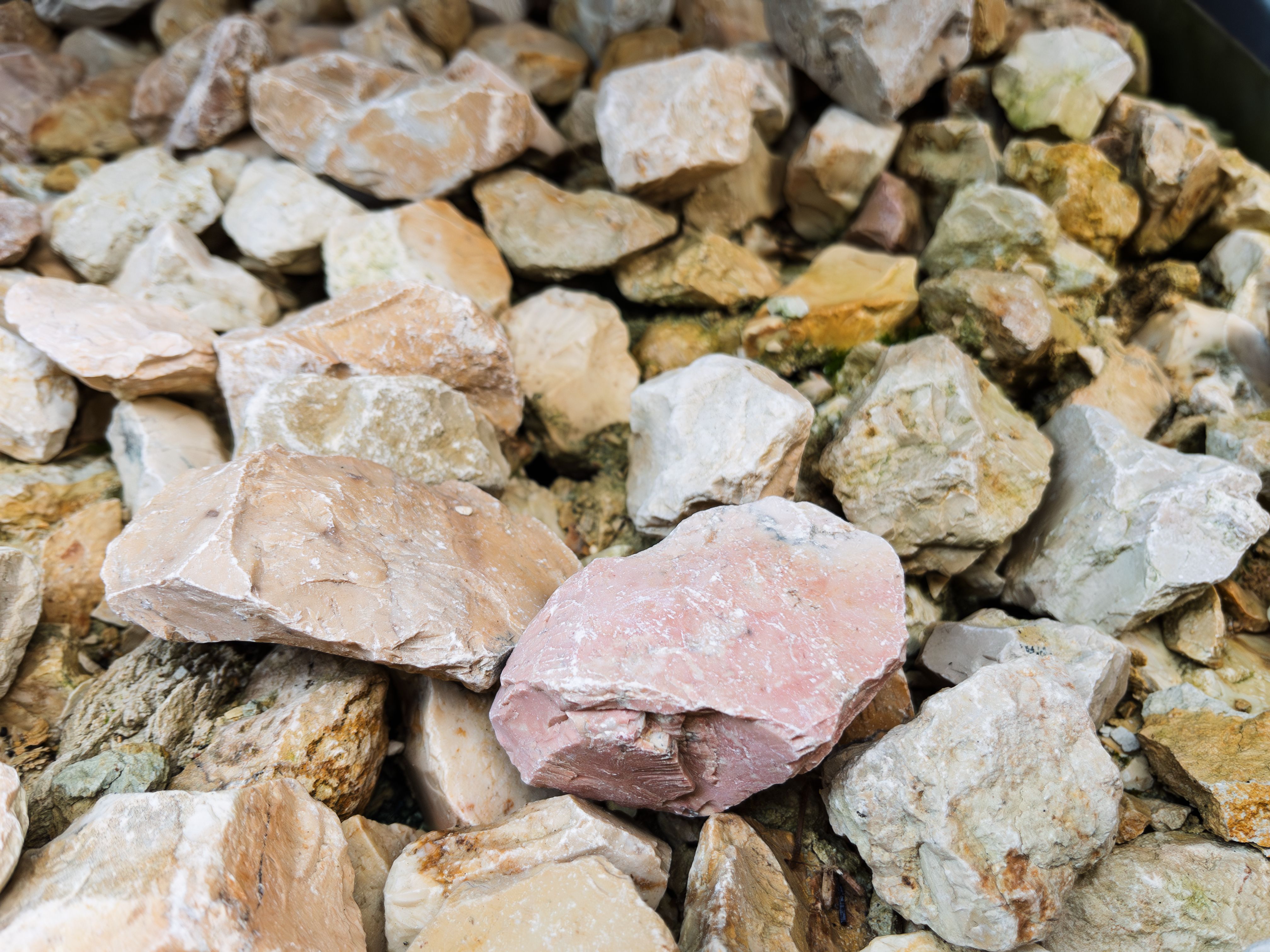
Alternative aggregates are materials used in construction that differ from traditional options like sand, gravel, and crushed stone. They can include recycled materials, industrial by-products, and natural materials that are not commonly used. This shift towards alternative aggregates is driven by the need to reduce the environmental impact of construction activities.
Sustainability Benefits
One of the primary benefits of using alternative aggregates is their contribution to sustainability. By incorporating recycled materials, such as crushed concrete and glass, construction projects can significantly reduce the need for virgin materials. This not only conserves natural resources but also reduces landfill waste.
Moreover, using industrial by-products like fly ash and slag can lower the carbon footprint of construction activities. These materials often require less energy to produce and transport, leading to a more environmentally friendly building process.
Cost-Effectiveness
Alternative aggregates can also offer significant cost savings. Recycled materials are often cheaper than traditional aggregates, leading to lower material costs for construction projects. Additionally, the reduced need for transportation can further cut expenses, as alternative aggregates are often available locally.
Contractors can also benefit from potential tax incentives and grants for using sustainable materials, further enhancing the economic advantages of alternative aggregates.
Improved Performance
Aside from cost and sustainability, alternative aggregates can improve the performance of construction materials. For instance, certain recycled aggregates can enhance the strength and durability of concrete, leading to longer-lasting structures. This improved performance can result in lower maintenance costs and a better return on investment over the life of a building.
Challenges and Considerations
Despite the benefits, there are challenges to consider when using alternative aggregates. Quality control can be an issue, as the properties of recycled materials can vary. It's essential to conduct thorough testing and quality assurance to ensure that these materials meet the necessary standards.
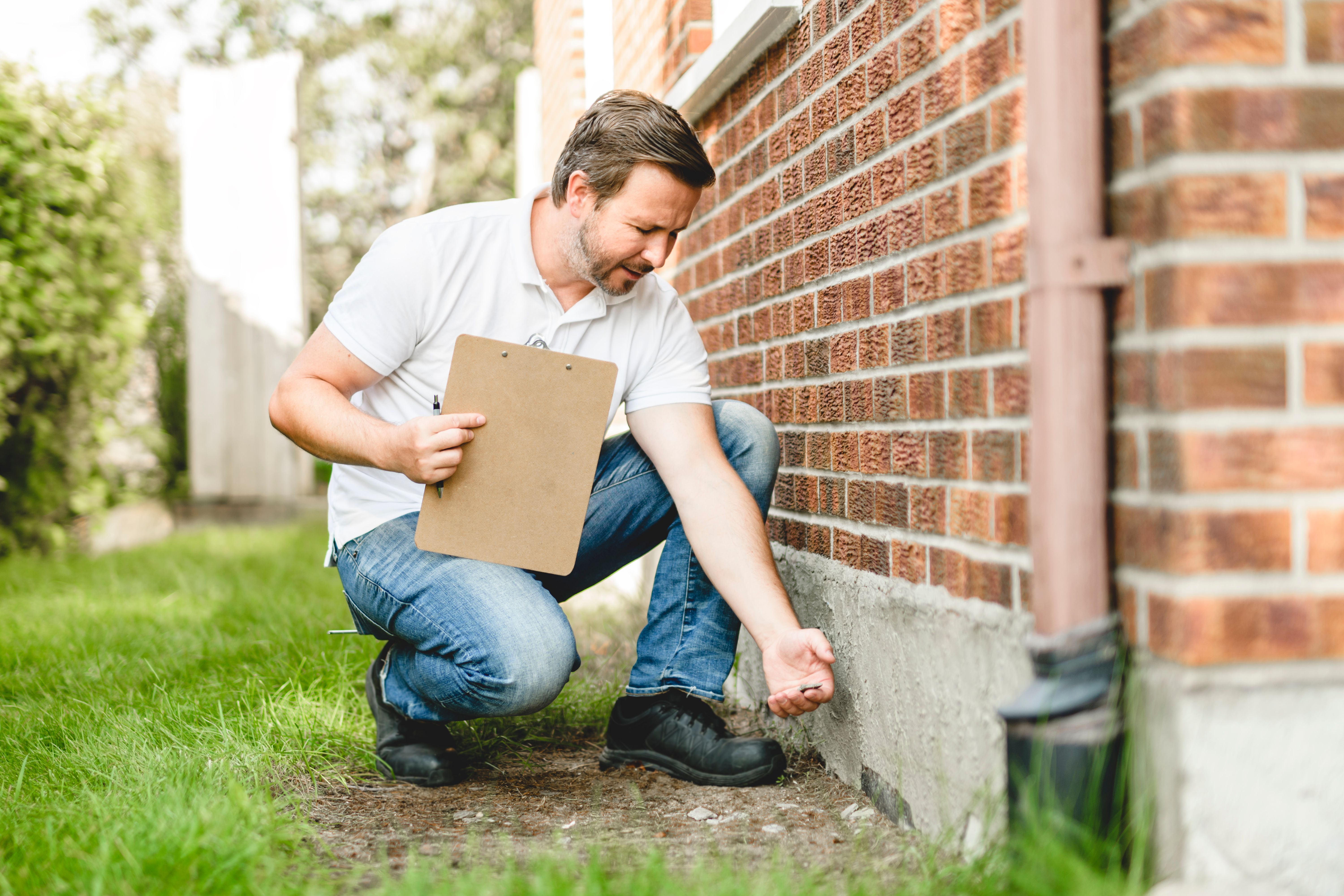
Additionally, there may be regulatory hurdles to overcome, as building codes and standards may not always accommodate alternative materials. Working with knowledgeable professionals and staying informed about local regulations is crucial for successfully integrating alternative aggregates into construction projects.
The Future of Construction
The use of alternative aggregates is set to grow as the construction industry continues to prioritize sustainability and innovation. By embracing these materials, builders can not only reduce their environmental impact but also enhance the economic and performance aspects of their projects.
As technology and research in this field advance, the range and quality of alternative aggregates will continue to expand, offering exciting possibilities for the future of construction.