
Top Seasonal Considerations for Earthworks Projects in Indonesia


Earthworks projects in Indonesia present unique challenges and opportunities due to the country's diverse climate and geographical conditions. Understanding these seasonal considerations is crucial for successful project execution. This blog post delves into the primary factors to keep in mind when planning and executing earthworks in Indonesia.
Understanding Indonesia's Climate
Indonesia's climate is predominantly tropical, characterized by high humidity and significant rainfall. The country experiences two main seasons: the rainy season and the dry season. Each season presents distinct challenges that can impact earthworks projects.
The rainy season typically lasts from November to March, bringing heavy rains that can lead to flooding and soil erosion. Conversely, the dry season, from April to October, offers more stable conditions for construction but may present issues related to dust and dry soil.
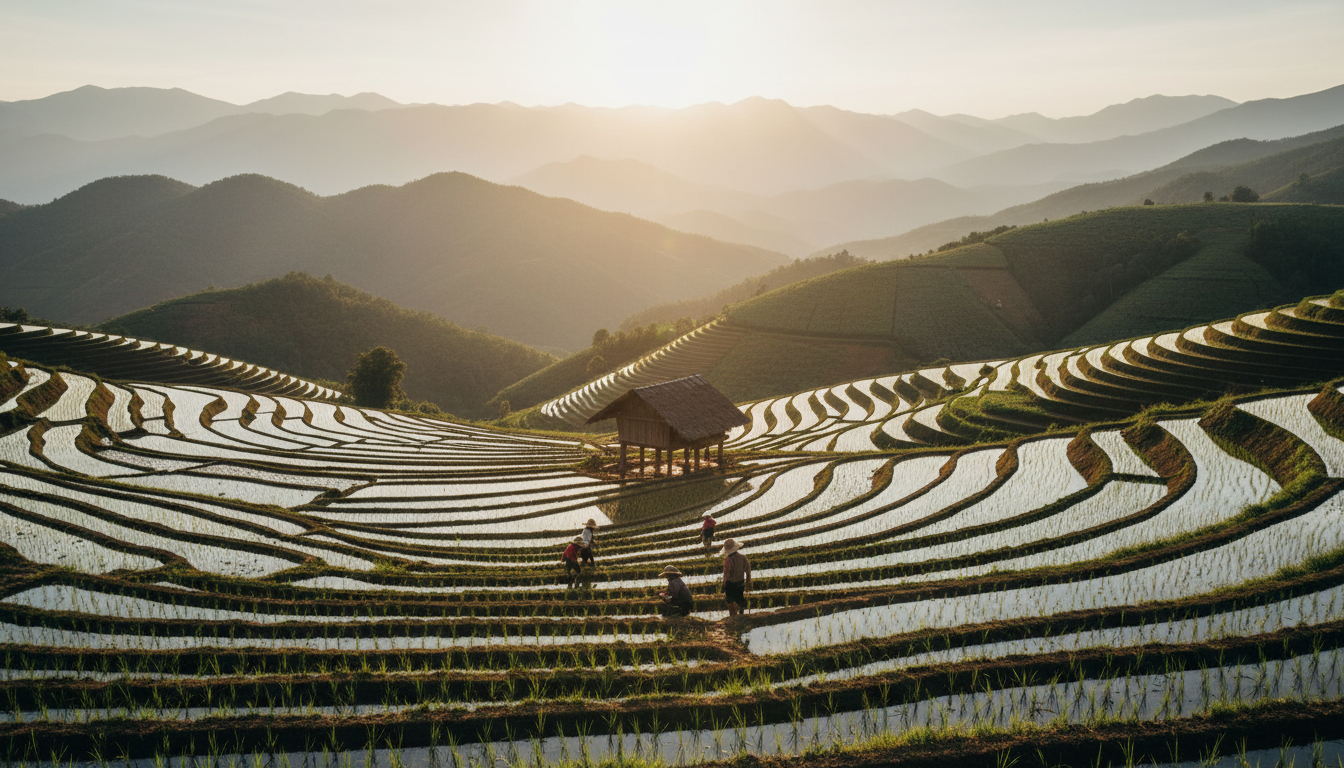
Challenges During the Rainy Season
Heavy rainfall can significantly affect earthworks projects. Flooding can delay timelines and increase costs, while soil erosion can alter the landscape and compromise project integrity. It's crucial to implement robust drainage systems and erosion control measures to mitigate these risks.
Flood Management Strategies
Effective flood management is essential during the rainy season. Implementing systems such as temporary drainage channels and retention basins can help manage excess water. Regular site inspections and maintenance of these systems ensure they function properly throughout the project.
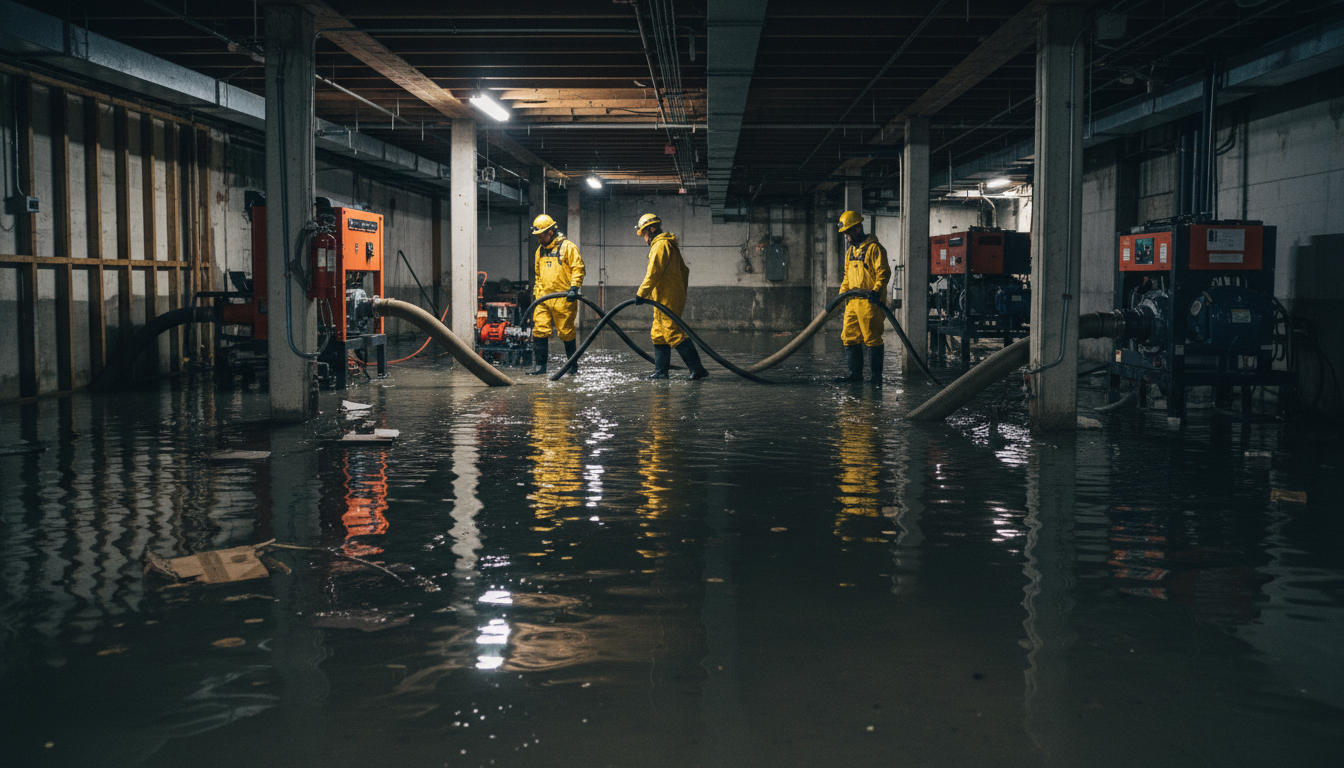
Optimizing Work During the Dry Season
While the dry season provides more predictable weather, it also brings its own set of considerations. The lack of rain can lead to dust problems and dry soil conditions, which may require specific techniques to manage effectively.
Dust Control Techniques
To minimize dust, water trucks can be used to dampen the soil regularly. Additionally, applying ground cover materials like gravel can help keep dust levels down. Ensuring workers have the appropriate protective gear is also essential for health and safety.

Soil Management
Both the rainy and dry seasons can affect soil stability in different ways. During wet conditions, soil becomes saturated and may lose strength, while dry conditions can make soil hard and unyielding. Understanding soil types and their responses to weather changes is key to effective management.
Soil Stabilization Techniques
Techniques such as compaction and the use of soil stabilizers can enhance soil strength and reduce the impact of seasonal changes. Employing geotextiles and other reinforcement materials can also provide additional stability.

Planning and Scheduling
Proper planning and scheduling are fundamental to overcoming seasonal challenges. By aligning project timelines with favorable weather conditions, it's possible to reduce delays and optimize resource allocation. Building flexibility into the schedule allows for adjustments as weather conditions change.
In conclusion, understanding and addressing seasonal considerations is vital for the success of earthworks projects in Indonesia. By implementing strategic planning and employing effective techniques, project managers can navigate the challenges posed by Indonesia's tropical climate and ensure successful project outcomes.