
The Future of Earthworks: Emerging Technologies and Their Impact


Introduction
In recent years, the earthworks industry has seen a surge in technological advancements that are reshaping the way projects are executed. These innovations are not only enhancing efficiency but also minimizing environmental impact. As we look to the future, it's clear that technology will continue to play a pivotal role in transforming earthworks.
Automation and Robotics
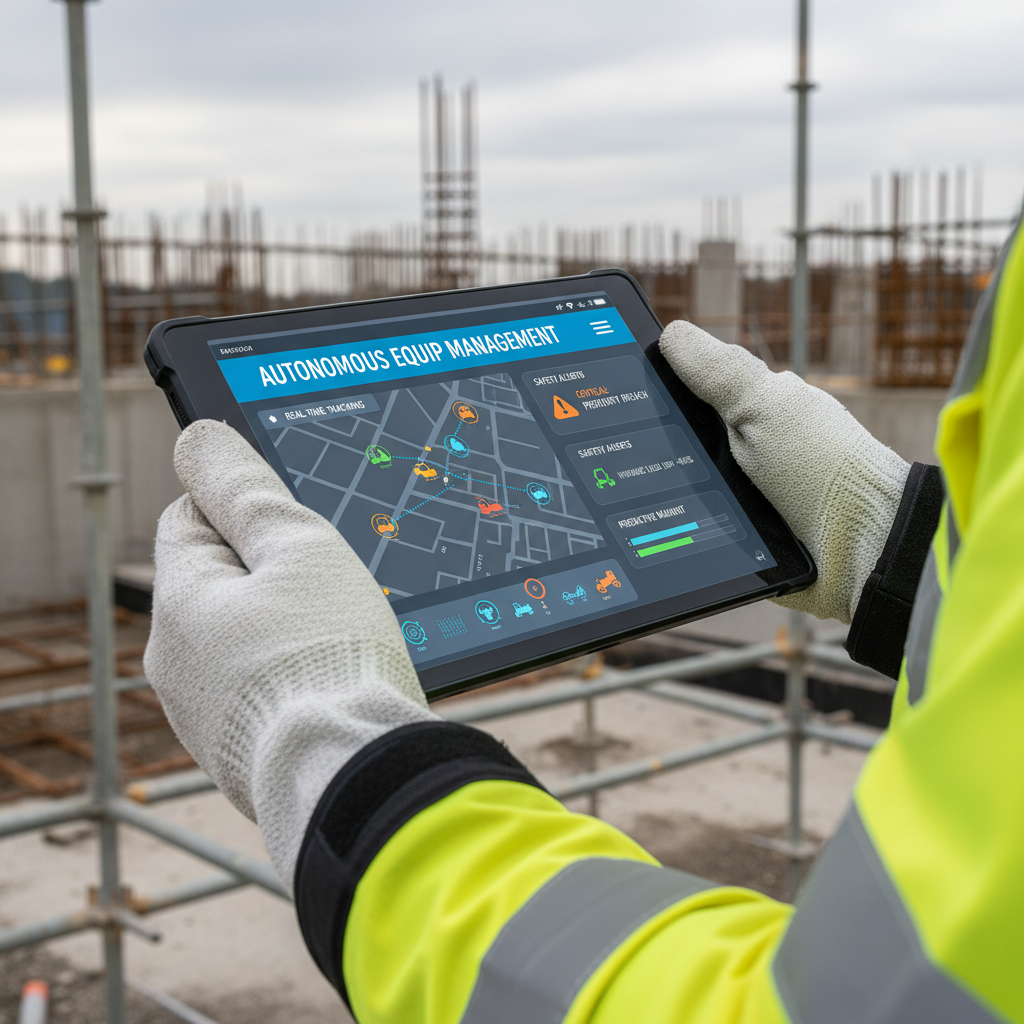
Automation is at the forefront of the earthworks revolution. Autonomous machinery, such as self-driving excavators and bulldozers, is becoming increasingly common on construction sites. These machines can operate 24/7, significantly reducing project timelines and labor costs. Moreover, they enhance safety by removing human operators from hazardous environments.
Robotics is also making its mark, with drones being used for surveying and monitoring sites. These drones provide real-time data, allowing for more accurate planning and execution.
Advanced Materials
The development of advanced materials is another area where technology is making a substantial impact. New composite materials are being used to reinforce structures, making them more durable and environmentally friendly. These materials often have a lower carbon footprint compared to traditional options, aligning with global sustainability goals.

3D Printing
3D printing is revolutionizing the way we approach construction. This technology allows for the creation of complex structures directly on-site, reducing waste and the need for transportation. By using locally sourced materials, 3D printing also helps in decreasing the overall environmental impact.
Moreover, the precision of 3D printing ensures that structures are built to exact specifications, reducing the likelihood of errors and rework.
Data and Analytics
Data plays a crucial role in the future of earthworks. With the integration of IoT devices and sensors, construction sites are becoming smarter. These devices collect vast amounts of data that can be analyzed to optimize performance, reduce downtime, and predict maintenance needs.

Advanced analytics tools provide insights that lead to better decision-making and resource management, ultimately improving project outcomes.
Environmental Impact Mitigation
As the construction industry faces increasing pressure to reduce its environmental impact, new technologies are emerging to meet these demands. Techniques such as precision grading and erosion control are being enhanced through technology, leading to less disruption of natural landscapes.
Furthermore, sustainable practices such as using recycled materials and implementing green construction methods are becoming standard, driven by technological advancements.
Conclusion
The future of earthworks is bright, driven by a continuous stream of technological innovations. These advancements are not only making construction more efficient and cost-effective but also more sustainable. As these technologies continue to evolve, they will undoubtedly play a crucial role in shaping the future of the industry, leading to smarter, safer, and more sustainable earthworks.