
The Future of Earthworks: Emerging Technologies and Their Impact


The Evolution of Earthworks
Earthworks have been an essential part of construction and engineering for centuries, playing a crucial role in building infrastructure, shaping landscapes, and supporting development. As we move into the future, emerging technologies are revolutionizing the way earthworks are conducted, making them more efficient, sustainable, and precise.
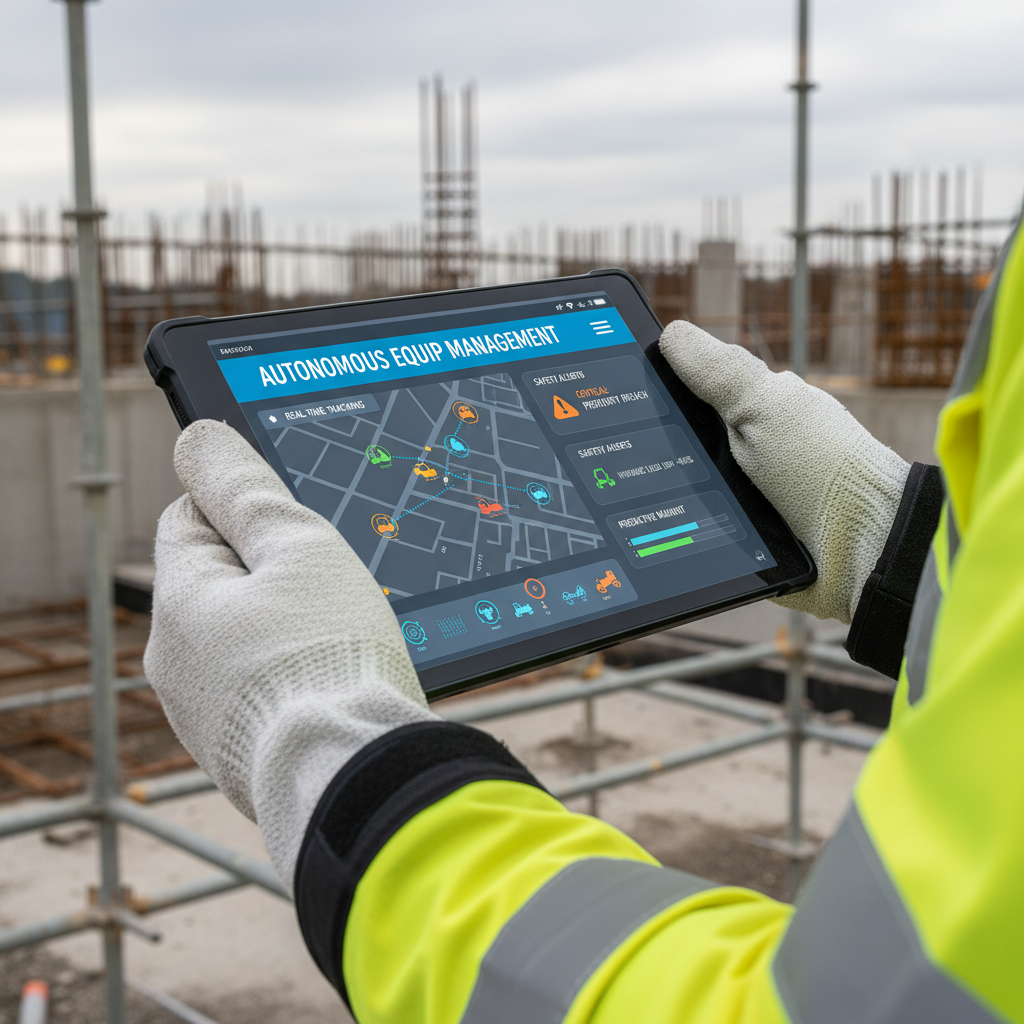
Automation and Robotics
The integration of automation and robotics is transforming earthworks. Autonomous machines can now perform tasks that were once labor-intensive, reducing the need for manual labor and increasing efficiency. These machines use GPS, sensors, and AI to navigate and execute projects with precision.
Robotic earthmovers can perform a variety of tasks, from excavation to grading, with minimal human intervention. This not only speeds up project timelines but also reduces the risk of human error and enhances safety on site.

Advanced Materials and Techniques
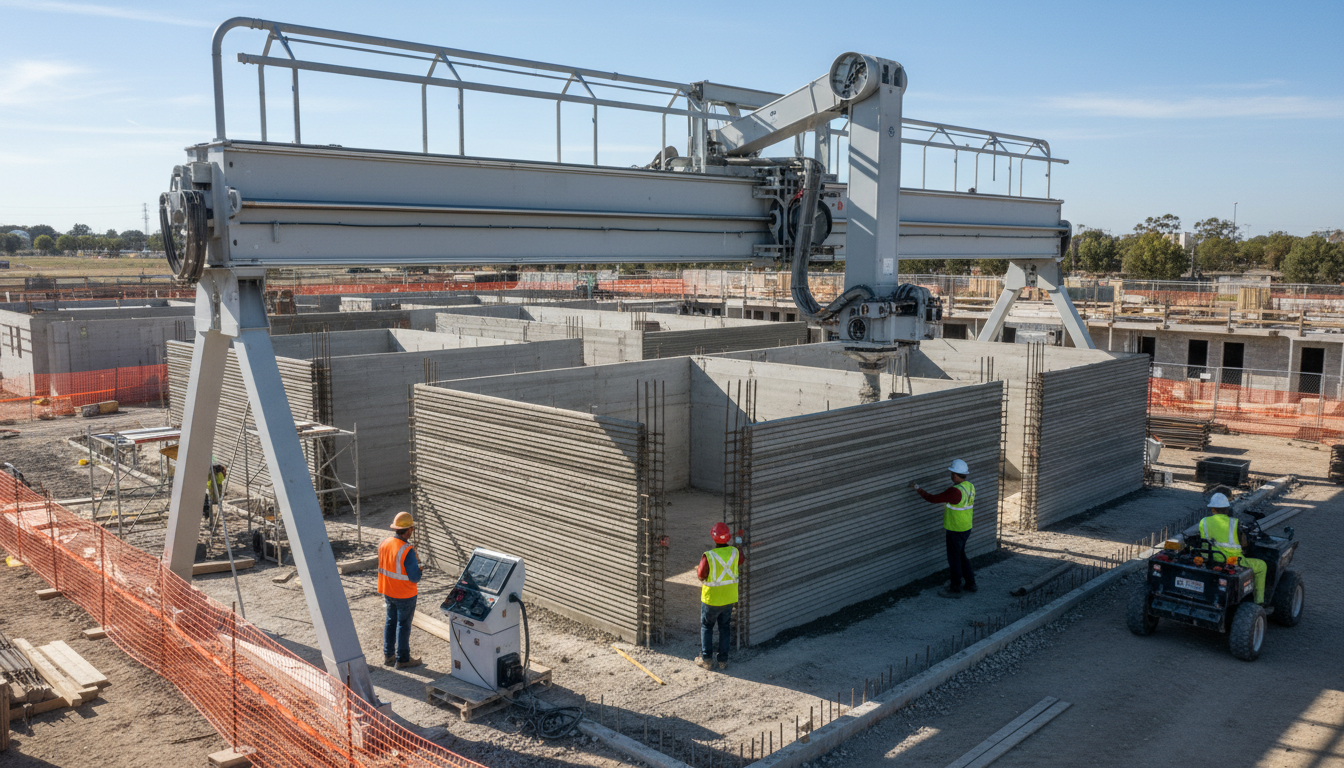
New materials and construction techniques are emerging, offering more sustainable and durable solutions. For example, geosynthetics are being used to reinforce soil and improve stability, while 3D printing technology is being explored for creating complex structures directly on site.
These advancements allow for more creative and efficient design solutions, reducing waste and minimizing environmental impact. As the industry continues to innovate, we can expect even more breakthroughs in materials science.
Data and Digitalization
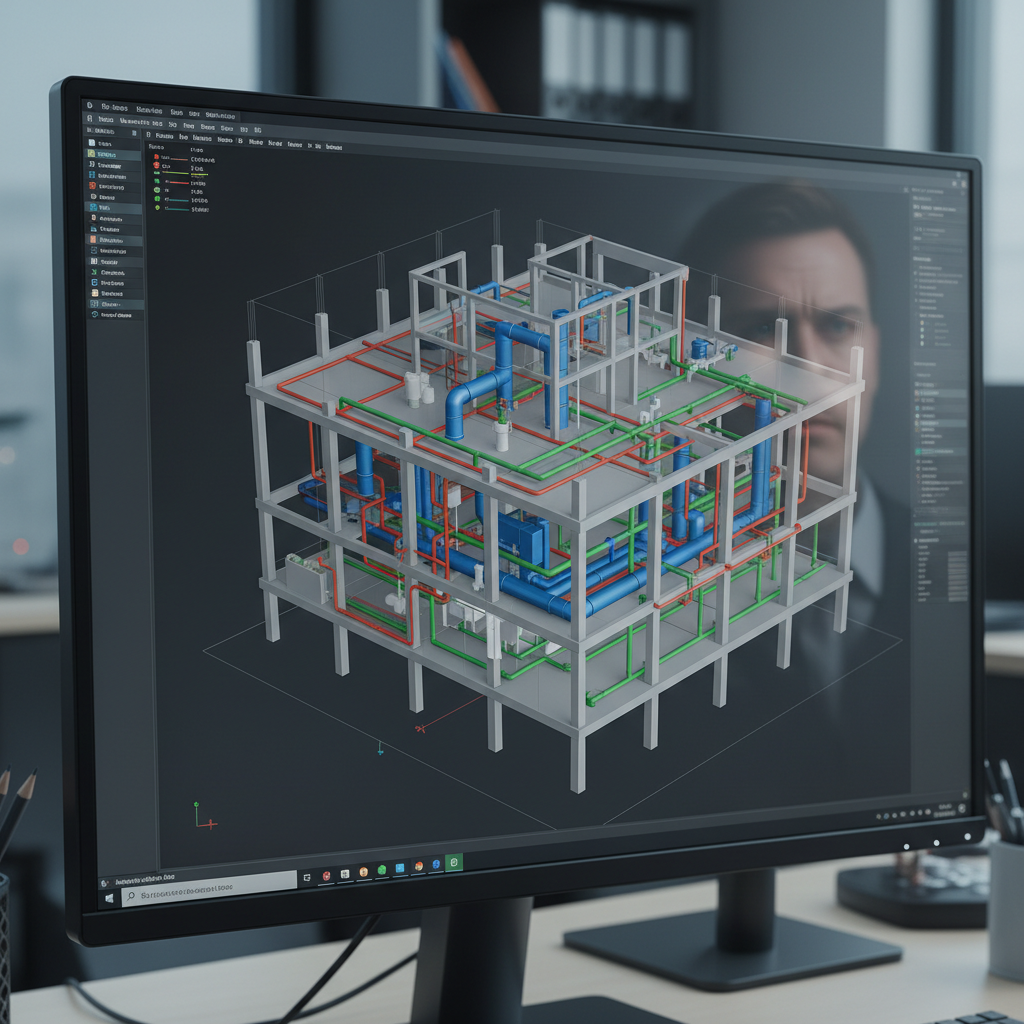
The digitalization of earthworks is another significant trend, with data playing a key role in planning and execution. Through Building Information Modeling (BIM) and Geographic Information Systems (GIS), project managers can create detailed models and simulations, ensuring that projects are planned meticulously from start to finish.
- Improved accuracy and planning
- Real-time monitoring and adjustments
- Enhanced collaboration across teams
Sustainability and Environmental Impact
As environmental concerns grow, the earthworks industry is adopting more sustainable practices. Technologies like carbon capture, renewable energy integration, and eco-friendly materials are becoming standard, reducing the carbon footprint of construction projects.
Efficient resource management and waste reduction are also priorities, ensuring that projects meet stringent environmental standards while still delivering high-quality results.

The Road Ahead
The future of earthworks is bright, with technology paving the way for more efficient, sustainable, and innovative practices. As these advancements continue to evolve, they will undoubtedly reshape the landscape of construction and engineering, offering exciting new opportunities for growth and development.
By embracing these technologies, the industry can meet the challenges of tomorrow, building infrastructure that supports both human progress and environmental stewardship.