
Sustainable Construction Practices in Indonesia: A Deep Dive into Eco-Friendly Earthworks


Introduction to Sustainable Construction in Indonesia
Indonesia, a nation rich in biodiversity and cultural heritage, is increasingly embracing sustainable construction practices. As the country's urbanization accelerates, the need for eco-friendly earthworks becomes more pressing. This shift not only addresses environmental concerns but also promotes economic and social benefits.
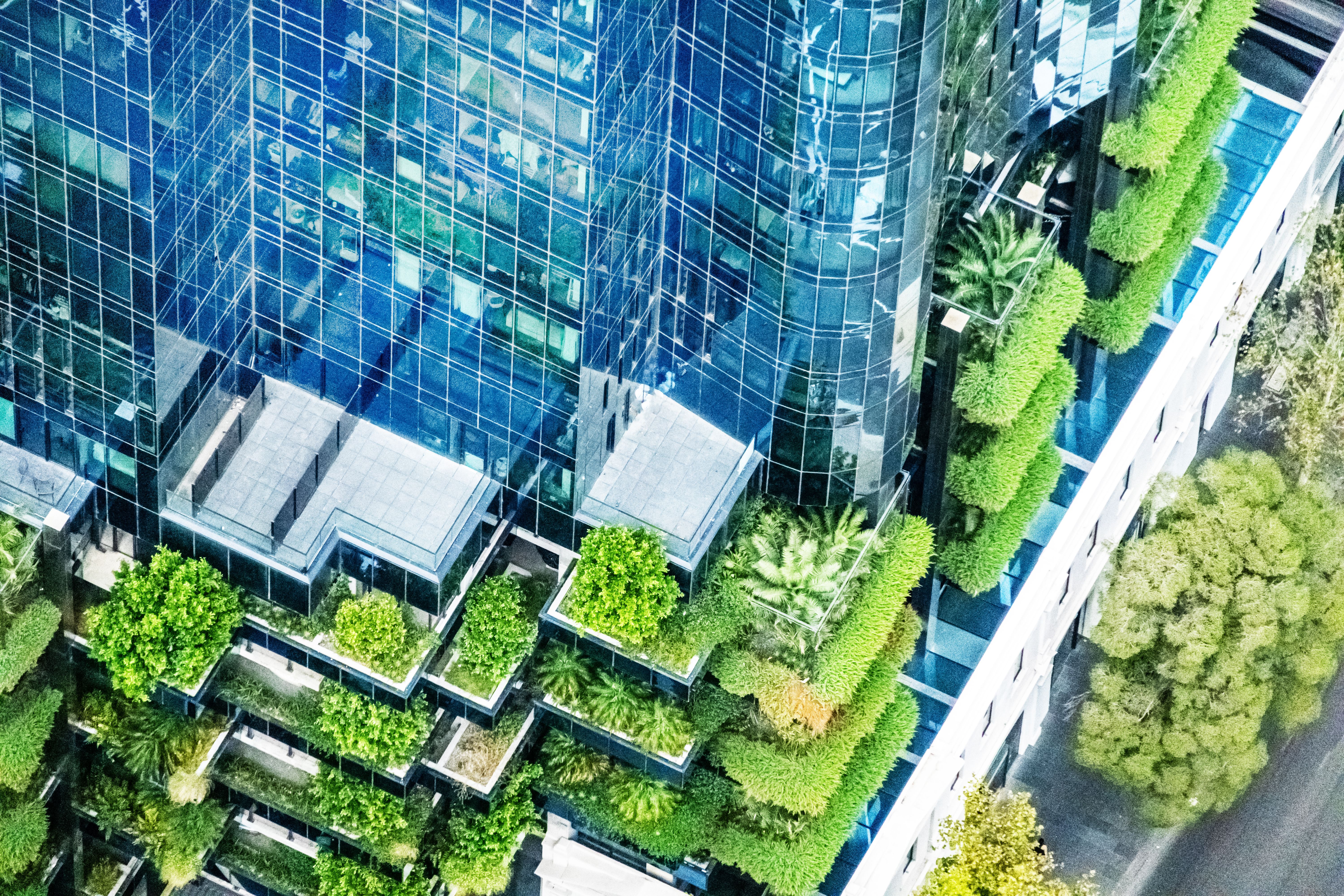
The Importance of Sustainable Practices
Adopting sustainable construction methods is crucial for minimizing environmental impact. These practices help reduce carbon emissions, conserve natural resources, and enhance the overall well-being of communities. In Indonesia, where natural disasters like earthquakes and floods are common, building resilience through sustainable methods is vital.
Environmental Benefits
Eco-friendly construction significantly reduces waste and pollution. By utilizing materials like bamboo and recycled steel, the construction industry can lessen its carbon footprint. Furthermore, sustainable practices promote biodiversity by protecting local flora and fauna.
Economic and Social Advantages
Implementing sustainable construction can lead to cost savings in the long run. Energy-efficient buildings lower utility bills and improve occupant comfort. Moreover, these practices can create job opportunities in emerging green industries, fostering economic growth.
Key Practices in Sustainable Earthworks
Several key practices define sustainable earthworks in Indonesia. These methods aim to create structures that are not only environmentally friendly but also resilient and adaptive.
Use of Local Materials
Utilizing locally sourced materials reduces transportation emissions and supports the local economy. Materials like bamboo, which is abundant in Indonesia, are perfect for sustainable construction due to their strength and renewability.
- Bamboo: Fast-growing and highly renewable.
- Recycled Steel: Reduces the need for mining new resources.
- Natural Stone: Durable and locally available.
Innovative Construction Techniques
Modern techniques such as prefabrication and modular construction can significantly reduce waste. These methods allow for precise measurements and efficient use of materials, minimizing excess and promoting sustainability.
Challenges and Opportunities
While the benefits of sustainable construction are clear, several challenges remain. High initial costs and a lack of awareness can hinder widespread adoption. However, these challenges also present opportunities for innovation and education.
Overcoming Barriers
Government incentives and educational programs can play a crucial role in promoting sustainable practices. By providing financial support and raising awareness, Indonesia can accelerate its transition to eco-friendly construction.
In conclusion, sustainable construction practices in Indonesia are essential for protecting the environment and promoting economic growth. As more stakeholders recognize the value of these methods, the country is poised to become a leader in sustainable development.