
Seasonal Considerations for Construction Projects in Indonesia


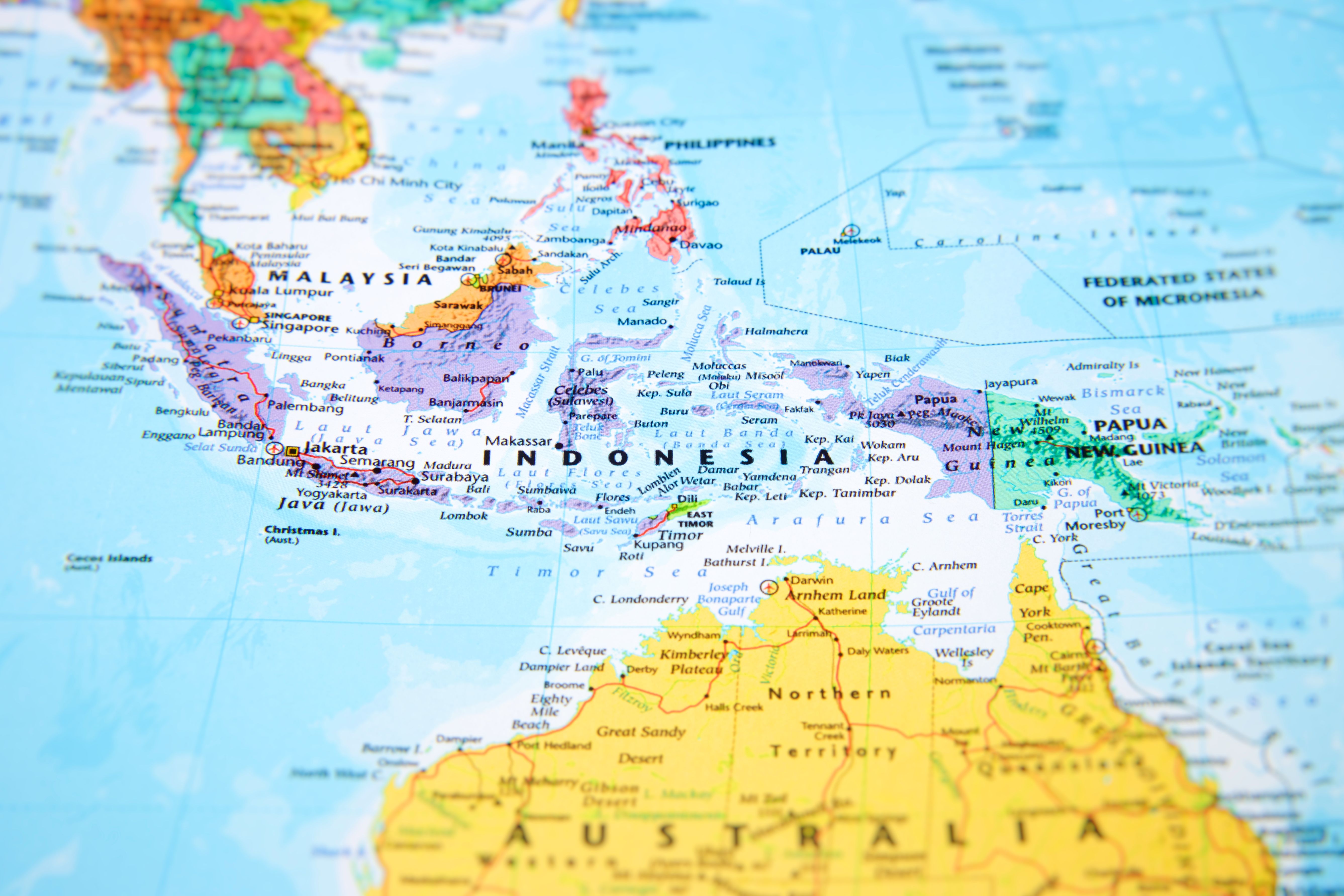
Understanding Indonesia's Climate
Indonesia's climate is characterized by its tropical nature, with two main seasons: the wet (rainy) season and the dry season. Understanding these climatic conditions is crucial for planning and executing construction projects efficiently.

Wet Season Challenges
The wet season, occurring from November to March, brings heavy rainfall and increased humidity. This can significantly impact construction timelines, as heavy rains can cause delays and logistical challenges. Sites may become muddy and difficult to access, which can hamper progress and increase costs.
Construction companies must plan for these potential delays by incorporating buffer times into their schedules. It’s also essential to ensure proper drainage systems are in place to mitigate water accumulation on-site.
Dry Season Opportunities
The dry season, from April to October, offers more favorable conditions for construction. With less rain and more predictable weather, this period is ideal for starting new projects or accelerating ongoing ones. The dry season allows for uninterrupted work, which can lead to quicker completion times.
Resource Management
During the dry season, resource management becomes more straightforward. Materials can be transported and stored with less risk of weather-related damage. However, it’s important to manage resources efficiently to avoid shortages, especially since this period may see a surge in construction activities.
Adapting to Local Conditions
Each region in Indonesia may experience slight variations in weather patterns. Coastal areas might face different challenges compared to mountainous regions. It's important for construction managers to adapt their strategies according to local conditions and historical weather data.
Technological Advancements
Technology can play a crucial role in mitigating the impact of seasonal changes. The use of weather forecasting tools and project management software can help in anticipating challenges and optimizing schedules. Drones and remote sensing technology can assist in monitoring site conditions in real-time.
Environmental Considerations
Beyond weather, environmental considerations are vital. Protecting natural habitats and ensuring sustainable practices should be integral to any construction project in Indonesia. This not only benefits the environment but also aligns with increasing regulatory requirements and community expectations.
Community Engagement
Engaging with local communities is crucial, especially in areas where construction might impact daily life. Transparent communication and collaboration can help in gaining community support and ensuring smoother project execution.

Conclusion
Successfully managing construction projects in Indonesia requires a deep understanding of seasonal variations, effective planning, and the ability to adapt to local conditions. By leveraging technology and prioritizing sustainability, construction companies can navigate these challenges and complete projects efficiently.