
Myth-Busting: Common Misconceptions About Earthworks


Unveiling the Truth Behind Earthworks
Earthworks play a crucial role in construction and landscaping, yet they are often misunderstood. Various myths have clouded the perception of this essential field, leading to confusion and misinformed decisions. This blog post aims to clear up some of these misconceptions and provide clarity on what earthworks truly entail.

Myth 1: Earthworks Are Just About Moving Dirt
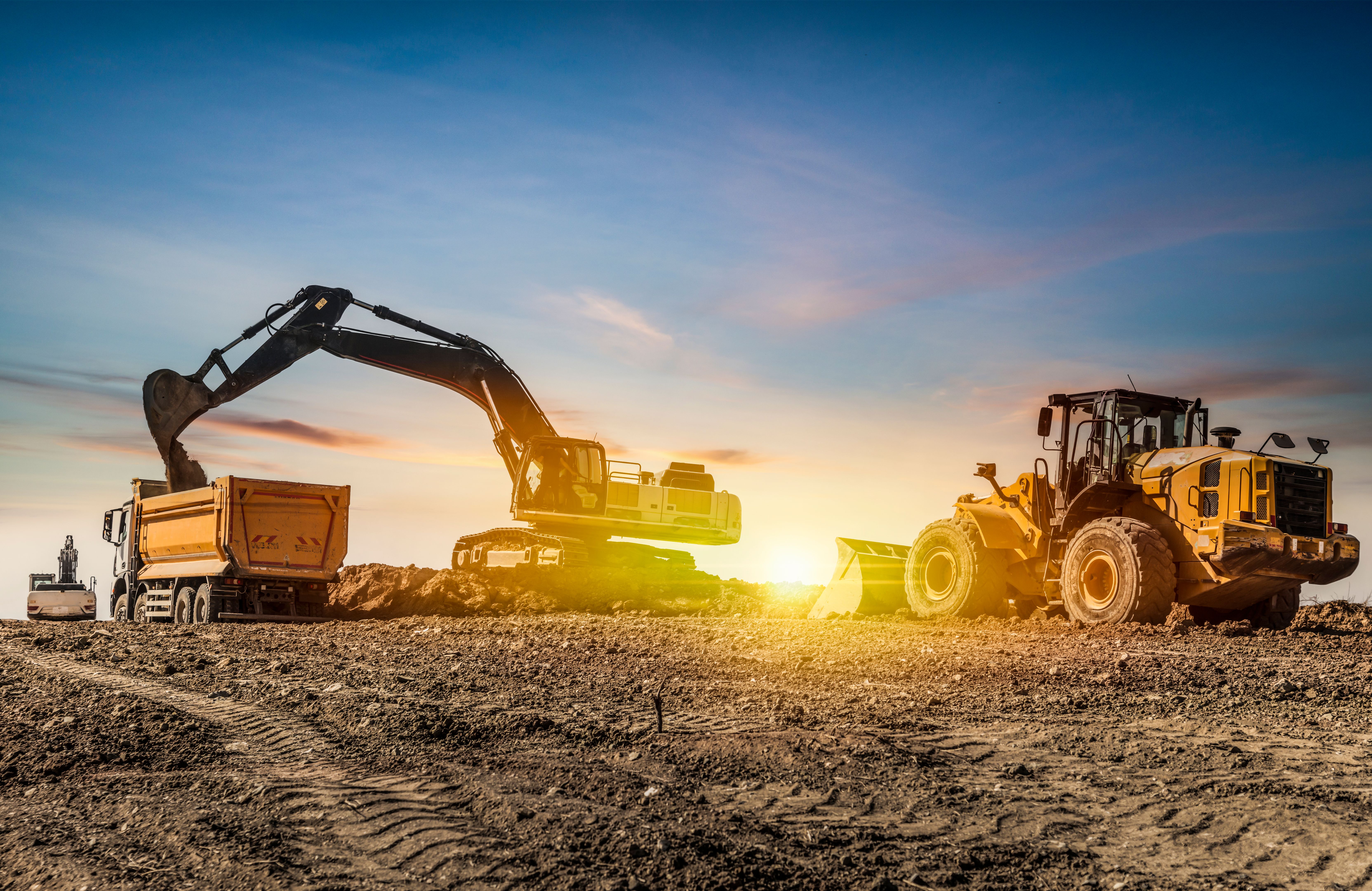
One of the most common misconceptions is that earthworks simply involve moving dirt from one place to another. While excavation and soil relocation are significant components, earthworks encompass much more. This field includes site grading, soil stabilization, and erosion control, all of which require specialized knowledge and equipment.
Professionals in this field use advanced techniques to ensure the stability and safety of the construction site. Their expertise extends to understanding soil types, drainage patterns, and the environmental impact of their work.
Myth 2: Earthworks Are Harmful to the Environment
Another widespread belief is that earthworks are inherently damaging to the environment. In reality, modern earthworks aim to be as environmentally friendly as possible. Many companies employ sustainable practices, such as reusing excavated materials and implementing erosion control measures to protect local ecosystems.

Moreover, earthworks can contribute positively by creating landscapes that facilitate natural water flow and reduce flooding. The key is to work with professionals who prioritize environmental sustainability in their projects.
Myth 3: Any Contractor Can Handle Earthworks
Some people assume that any general contractor can perform earthworks, but this is not the case. Earthworks require a specific set of skills and equipment that not all contractors possess. Hiring a specialized earthworks company ensures that the project is handled with precision and expertise.
- Proper assessment of soil conditions
- Use of appropriate machinery
- Compliance with local regulations
These aspects are critical for successful project completion and can only be guaranteed by professionals in the field.
Myth 4: Earthworks Are Unnecessary for Small Projects
It's a common misconception that earthworks are only needed for large-scale projects. In truth, even small projects can benefit from professional earthworks. Proper site preparation can prevent future issues such as water pooling, uneven surfaces, and structural instability.
By investing in earthworks at the outset, property owners can save time and money in the long run, avoiding costly repairs and ensuring the durability of their construction.
Conclusion: Understanding the Real Value of Earthworks
Debunking these myths reveals the true importance of earthworks in both large and small projects. By acknowledging the expertise and environmental considerations involved, property owners can make informed decisions and choose the right professionals for their needs.
As the industry continues to evolve, staying informed about best practices and innovations in earthworks will be key to successful and sustainable development. Always seek out experienced professionals to ensure that your project meets its goals efficiently and responsibly.