
How Seasonal Weather Affects Earthwork Projects in Indonesia


Introduction to Indonesia's Climate
Indonesia is characterized by a tropical climate, with two primary seasons: the rainy season and the dry season. These distinct weather patterns significantly influence various sectors, including construction and earthwork projects. Understanding how seasonal weather affects these projects is crucial for effective planning and execution.

Impact of the Rainy Season
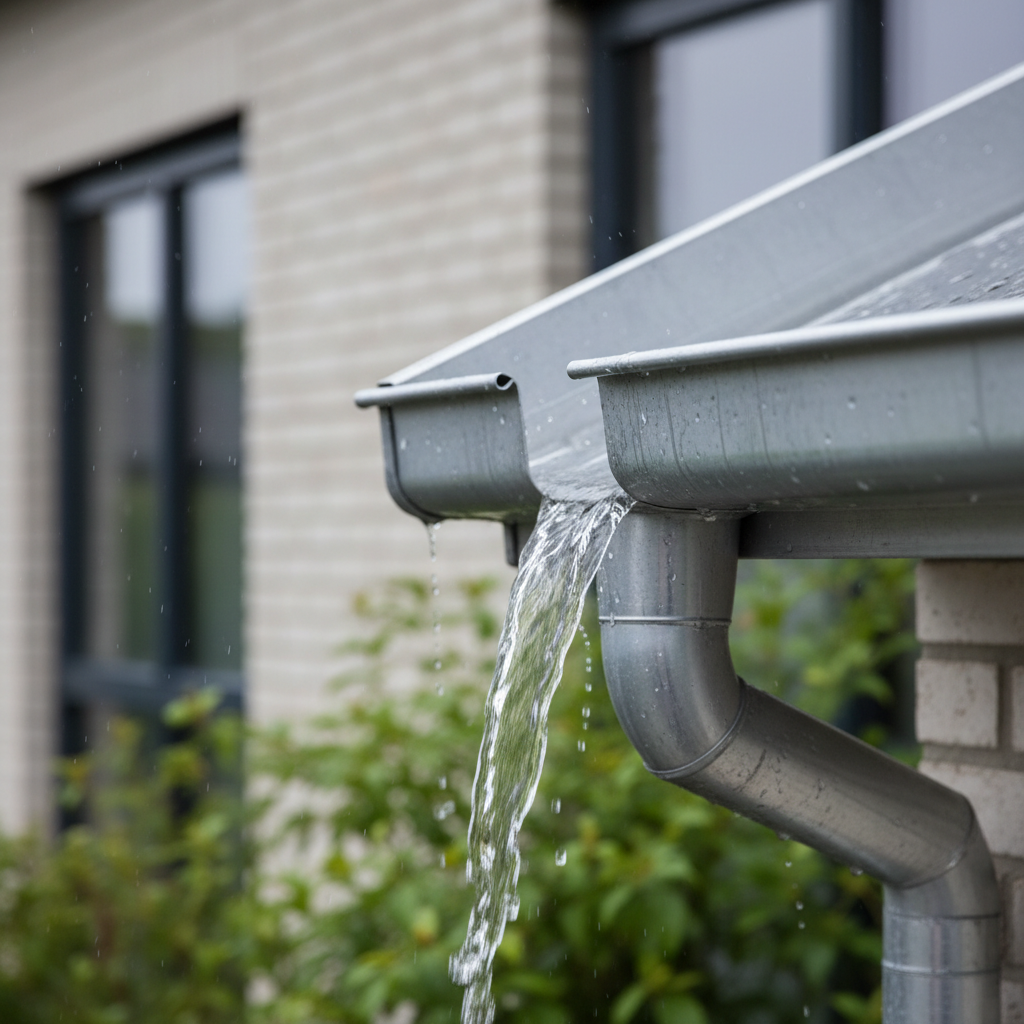
The rainy season in Indonesia typically runs from October to April. During this period, heavy rainfall can lead to delays in earthwork projects. The increased moisture content in the soil can cause instability, making it challenging to carry out excavation and foundational work. It is essential for project managers to factor in these potential delays when planning timelines.
Furthermore, heavy rains can lead to flooding, particularly in low-lying areas. This not only disrupts ongoing projects but can also damage equipment and infrastructure. Adequate drainage systems and flood prevention measures are vital to mitigate these risks.
Soil Erosion and Sedimentation
Another significant concern during the rainy season is soil erosion. The intense rainfall can wash away topsoil, which is particularly problematic for projects requiring precise land grading. Sedimentation can also clog waterways and drainage systems, compounding the challenges faced by construction teams.
Challenges During the Dry Season
While the dry season, from May to September, might seem more favorable for earthwork projects, it comes with its own set of challenges. The lack of rain can lead to dry, compacted soil conditions, making excavation difficult. Dust generation is another issue, affecting both worker health and equipment longevity.
Water Scarcity Issues
Water is a critical component in many earthwork processes, such as soil compaction and dust suppression. During the dry season, water scarcity can hinder these operations, leading to potential project delays. Efficient water management strategies are essential to ensure smooth project execution.
Strategies for Successful Project Management
To effectively manage earthwork projects amidst Indonesia's seasonal weather challenges, several strategies can be implemented:
- Weather Monitoring: Utilize advanced weather forecasting tools to anticipate changes and adjust project schedules accordingly.
- Flexible Planning: Develop contingency plans that allow for flexibility in timelines and resource allocation.
- Robust Infrastructure: Invest in infrastructure that can withstand extreme weather conditions, such as improved drainage and erosion control measures.
Conclusion
Seasonal weather patterns in Indonesia present both challenges and opportunities for earthwork projects. By understanding these patterns and implementing strategic planning, project managers can minimize disruptions and ensure successful project outcomes. Adapting to these conditions is not only a necessity but also a pathway to more resilient construction practices.