Expert Tips for Successful Earthworks in Indonesia's Diverse Terrain


Understanding Indonesia's Terrain
Indonesia's diverse terrain presents unique challenges for earthworks projects. With its archipelago of over 17,000 islands, the country features a variety of landscapes, from dense rainforests and mountainous regions to coastal areas and fertile plains. Understanding the geological and environmental characteristics of each area is crucial for successful project execution.
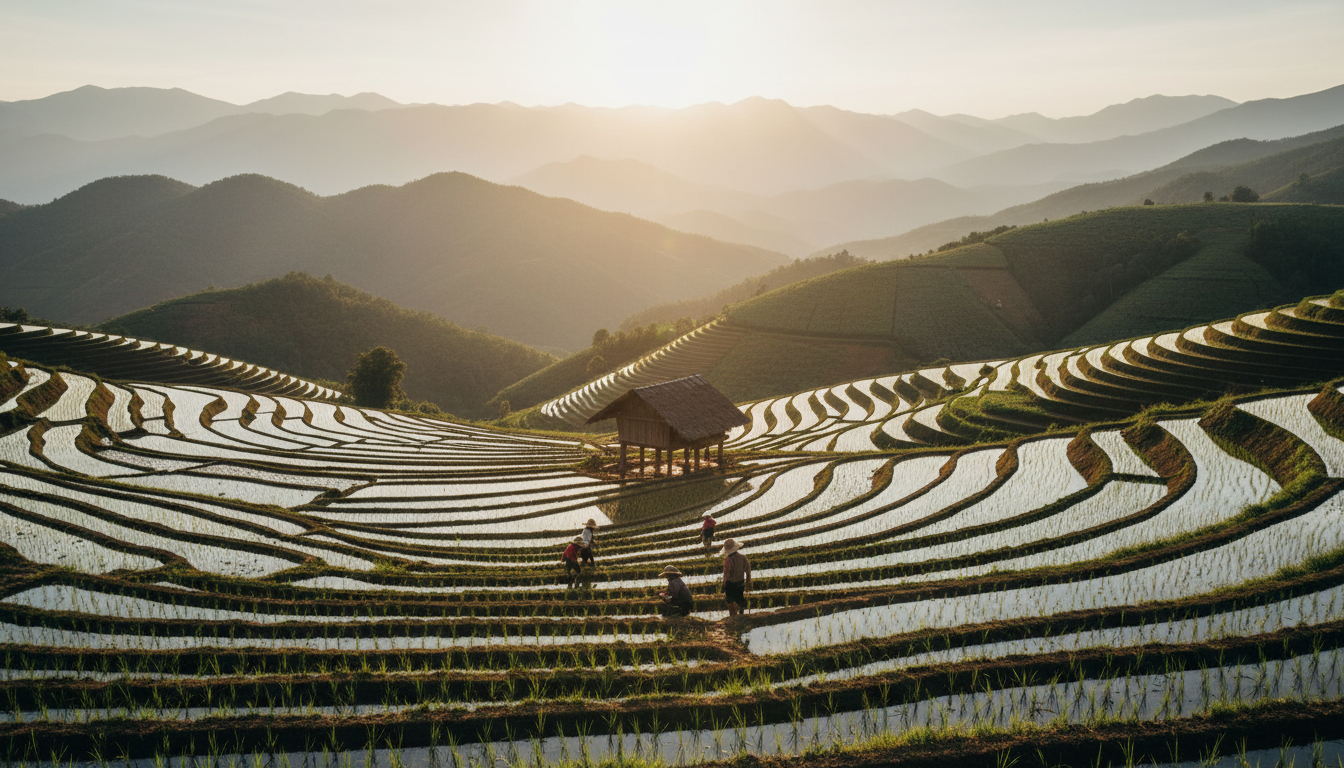
To address these challenges, it’s important to conduct thorough preliminary assessments. This includes geological surveys, soil analysis, and environmental impact assessments. By understanding the terrain, you can plan effectively and mitigate potential risks, ensuring both safety and efficiency.
Planning and Design Considerations
Before embarking on any earthworks project, meticulous planning and design are essential. Consider the project's scope, timeline, and budget, and align them with the site's specific conditions. Engage with local experts who have experience in the area to gain valuable insights and recommendations.
Utilizing advanced technology, such as GIS mapping and 3D modeling, can enhance planning accuracy. These tools help visualize the terrain, predict potential challenges, and optimize design strategies. By integrating technology into your planning process, you can achieve more precise and efficient outcomes.

Adapting to Environmental Factors
Indonesia's climate varies significantly across its regions, influencing earthworks projects. Monsoon seasons bring heavy rains, which can cause flooding and landslides, while dry spells can lead to soil erosion. Understanding local weather patterns is essential for scheduling and implementing appropriate construction techniques.
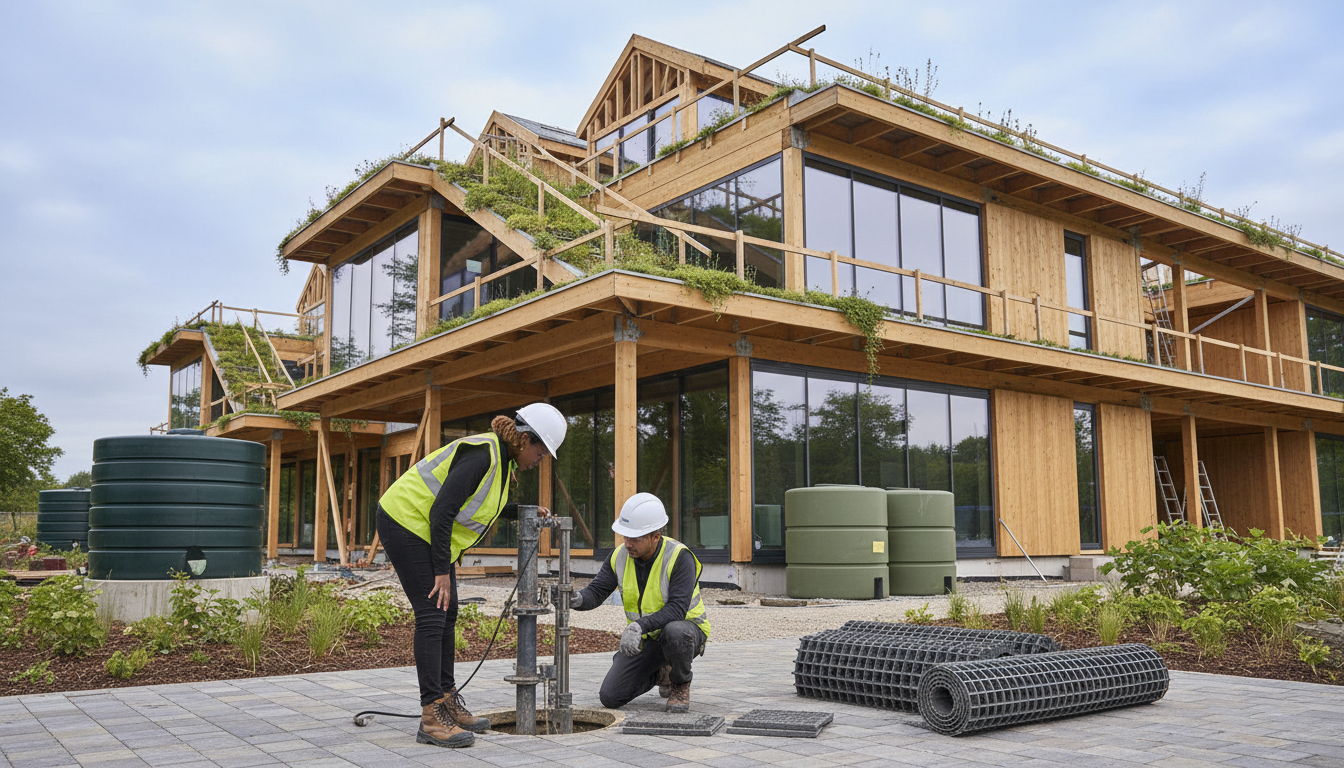
Implementing sustainable practices is also vital. This includes soil conservation techniques, effective drainage systems, and the use of eco-friendly materials. By prioritizing sustainability, you can minimize environmental impact and promote long-term project success.
Regulatory Compliance and Community Engagement
Regulatory compliance is a critical aspect of any earthworks project in Indonesia. Familiarize yourself with local laws and regulations, including zoning laws and environmental protection standards. Obtaining necessary permits and adhering to legal requirements can prevent costly delays and complications.
Engaging with the local community is equally important. Building relationships with local stakeholders, including government bodies, community leaders, and residents, fosters cooperation and support. Transparent communication and involving the community in decision-making processes can lead to smoother project execution and positive outcomes.
Utilizing Local Resources and Expertise
Leveraging local resources and expertise can significantly enhance the efficiency and effectiveness of earthworks projects. Local contractors and suppliers have valuable knowledge of the terrain and can provide insights into the most suitable materials and techniques.
Collaborating with local labor not only supports the community but also brings a deeper understanding of cultural nuances and regional practices. This approach not only enriches the project but also contributes to the local economy.

Ensuring Safety and Risk Management
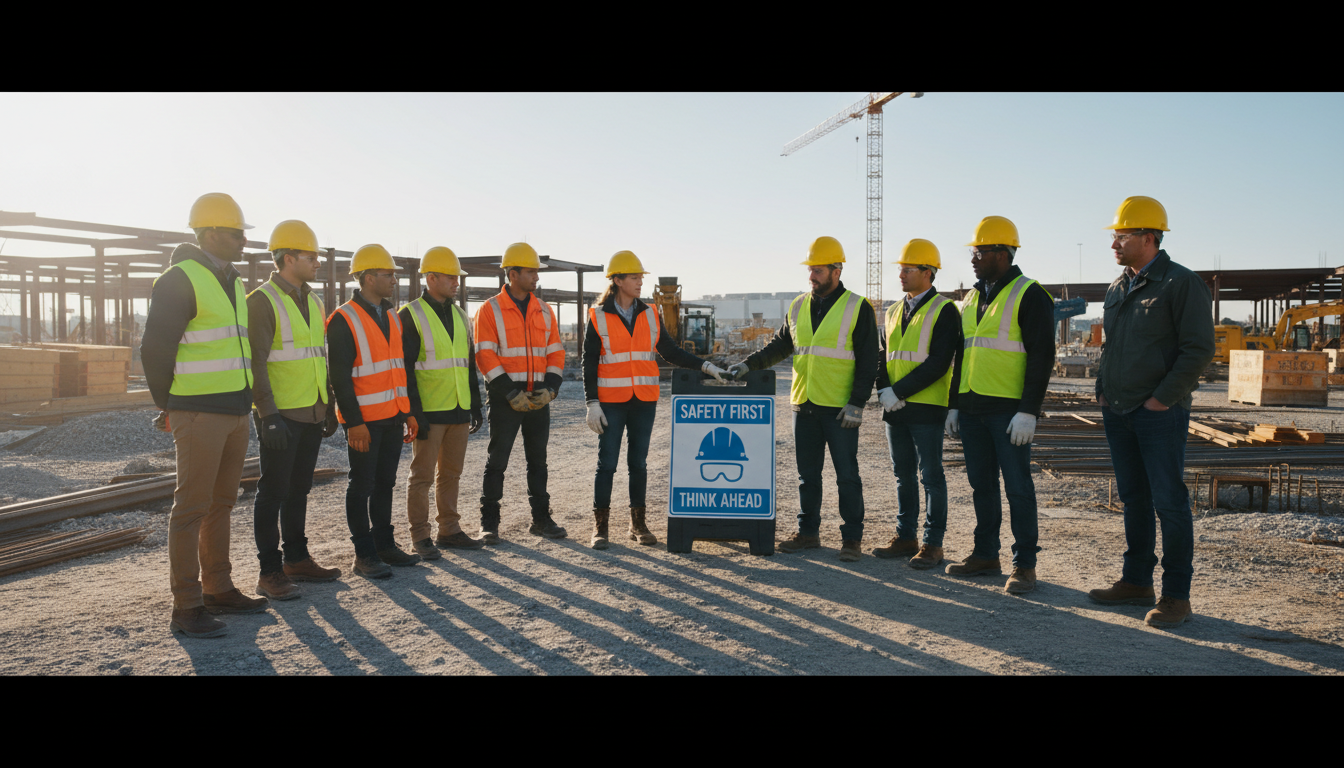
Safety should always be a top priority in any earthworks project. Develop a comprehensive risk management plan that addresses potential hazards such as landslides, flooding, and equipment failures. Regular safety training and drills for workers can significantly reduce the risk of accidents.
Implementing robust monitoring systems allows for real-time tracking of project progress and immediate response to any emerging issues. By maintaining a strong focus on safety and risk management, you can protect both your team and the surrounding environment.