
Expert Tips for Managing Earthworks During Rainy Seasons


Understanding the Challenges of Earthworks in Rainy Seasons
Managing earthworks during rainy seasons presents unique challenges that can impact timelines, costs, and safety. Wet conditions can lead to soil instability, equipment malfunctions, and increased erosion risks. To effectively navigate these challenges, it's essential to implement strategic planning and proactive measures.
Conducting Thorough Site Assessments
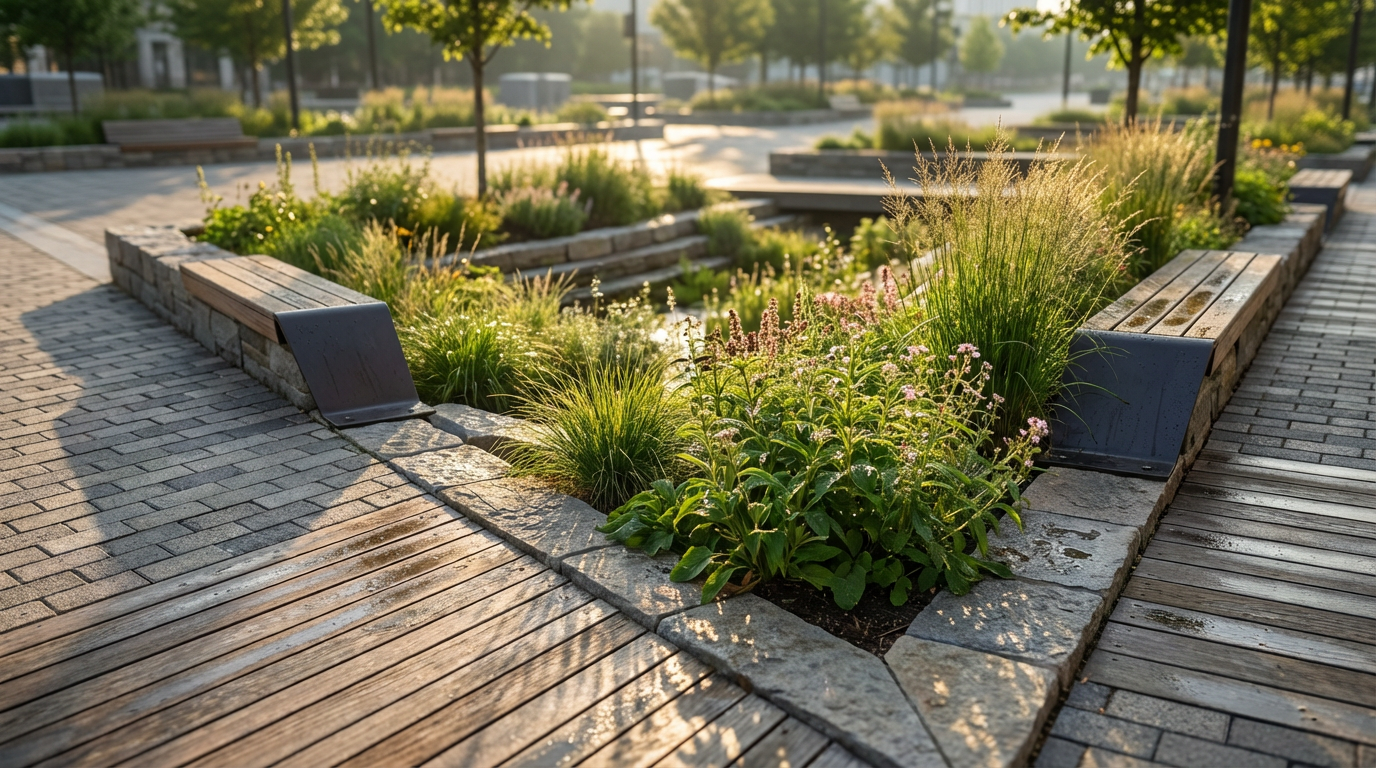
Before commencing any earthworks project, conducting a thorough site assessment is crucial. This includes evaluating soil types, drainage patterns, and potential water accumulation areas. Understanding these factors helps in planning effective drainage solutions and selecting appropriate equipment.
Importance of Soil Analysis
Different soil types react differently to moisture. Clay, for instance, can become highly slippery, while sandy soils may drain too quickly. Conducting a soil analysis allows you to anticipate and mitigate these issues, ensuring stability and safety on site.
Implementing Effective Drainage Systems
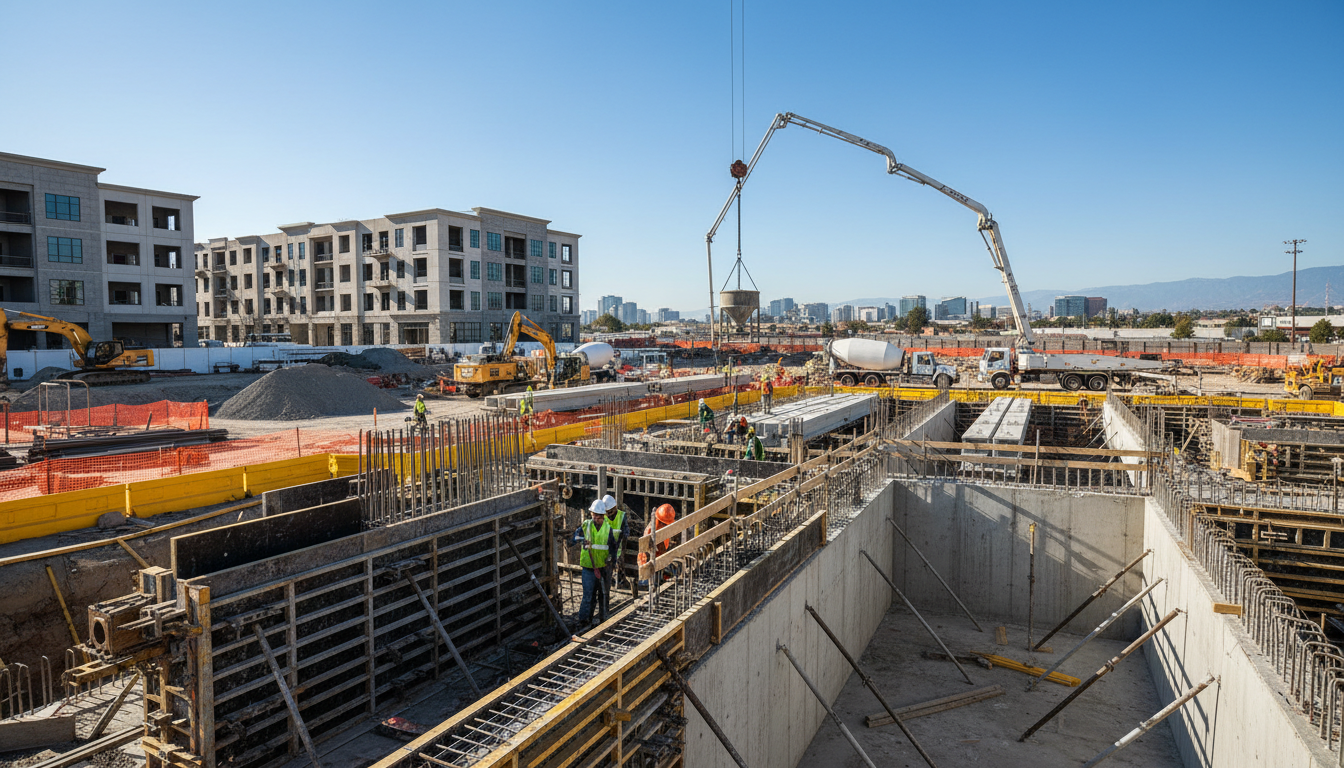
Installing robust drainage systems is vital during rainy seasons. Proper drainage prevents waterlogging and erosion, protecting both the project site and surrounding environments. Options such as trenches, culverts, and temporary ditches can be customized based on site specifics.
Utilizing Advanced Technology
Modern technology, such as GPS and drones, can enhance drainage planning and monitoring. These tools provide precise data and imagery, enabling more accurate assessments and adjustments. By leveraging technology, you can optimize the efficiency and effectiveness of your drainage solutions.
Choosing the Right Equipment
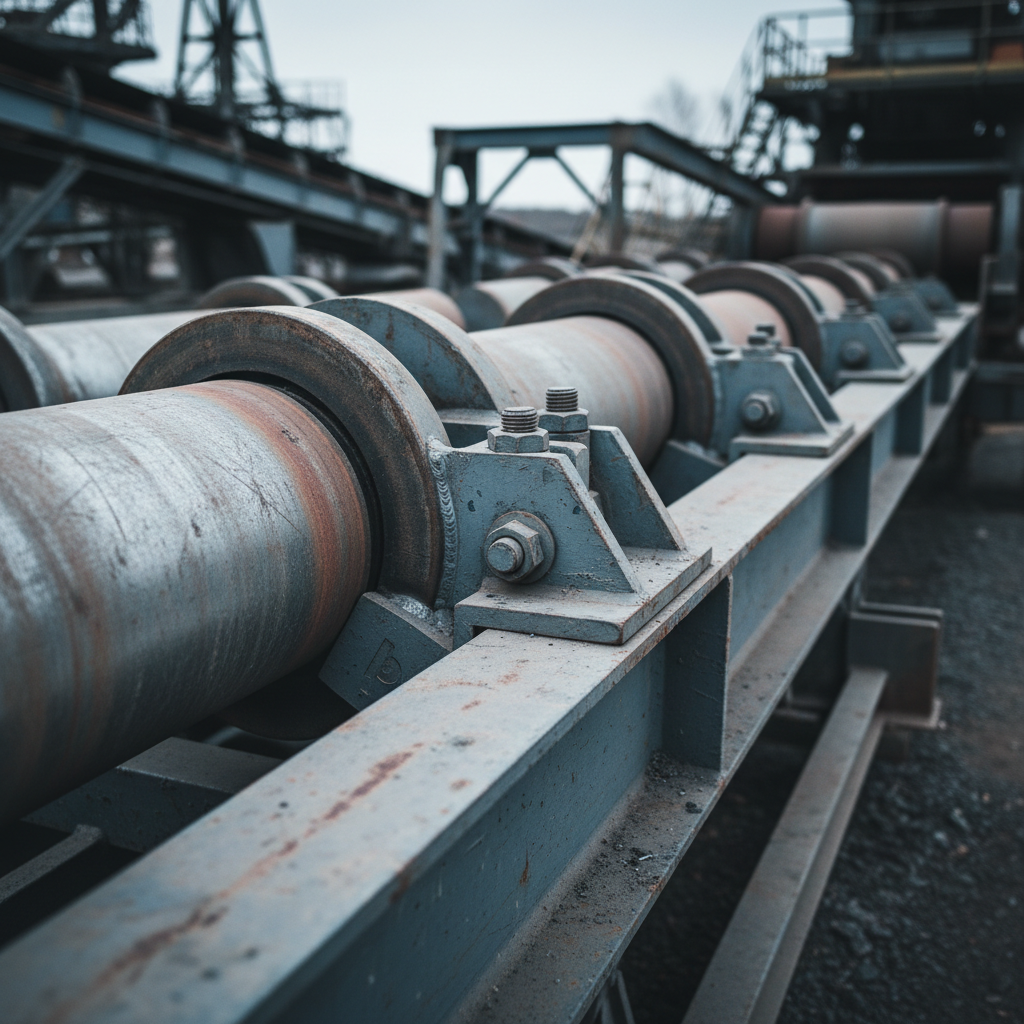
Choosing the right equipment for wet conditions is crucial. Machinery that is ill-suited to handle muddy or slippery surfaces can lead to delays and increased wear. Consider using tracked vehicles or those specifically designed for wet weather operations.
- Tracked loaders and excavators for better traction
- Waterproofing equipment to prevent damage
- Regular maintenance checks to ensure optimal performance
Prioritizing Safety and Training
Safety should always be the top priority on any earthworks project. Rainy conditions can create hazardous environments, making proper training and safety protocols essential. Equip your team with the knowledge and tools to handle emergencies effectively.
Regular Safety Drills
Conducting regular safety drills ensures that all team members are prepared for potential incidents. These drills should cover evacuation procedures, equipment handling during rain, and communication protocols to maintain a safe work environment.
Monitoring Weather Conditions
Keeping a close eye on weather forecasts allows for better planning and response to changing conditions. Utilize weather apps and alerts to stay informed, and adjust schedules and operations accordingly to minimize disruptions.
By incorporating these expert tips, you can manage earthworks projects more effectively during rainy seasons, ensuring that your projects remain on schedule and within budget while maintaining the highest safety standards.