
Comparing Local vs. Imported Aggregates: What's Best for Your Project?


Understanding Aggregates
Aggregates play a crucial role in construction, serving as a foundational material in projects ranging from roads to buildings. They consist of materials like sand, gravel, and crushed stone. When planning a construction project, one of the critical decisions is whether to use local or imported aggregates. Each option comes with its own set of benefits and challenges.
Benefits of Local Aggregates
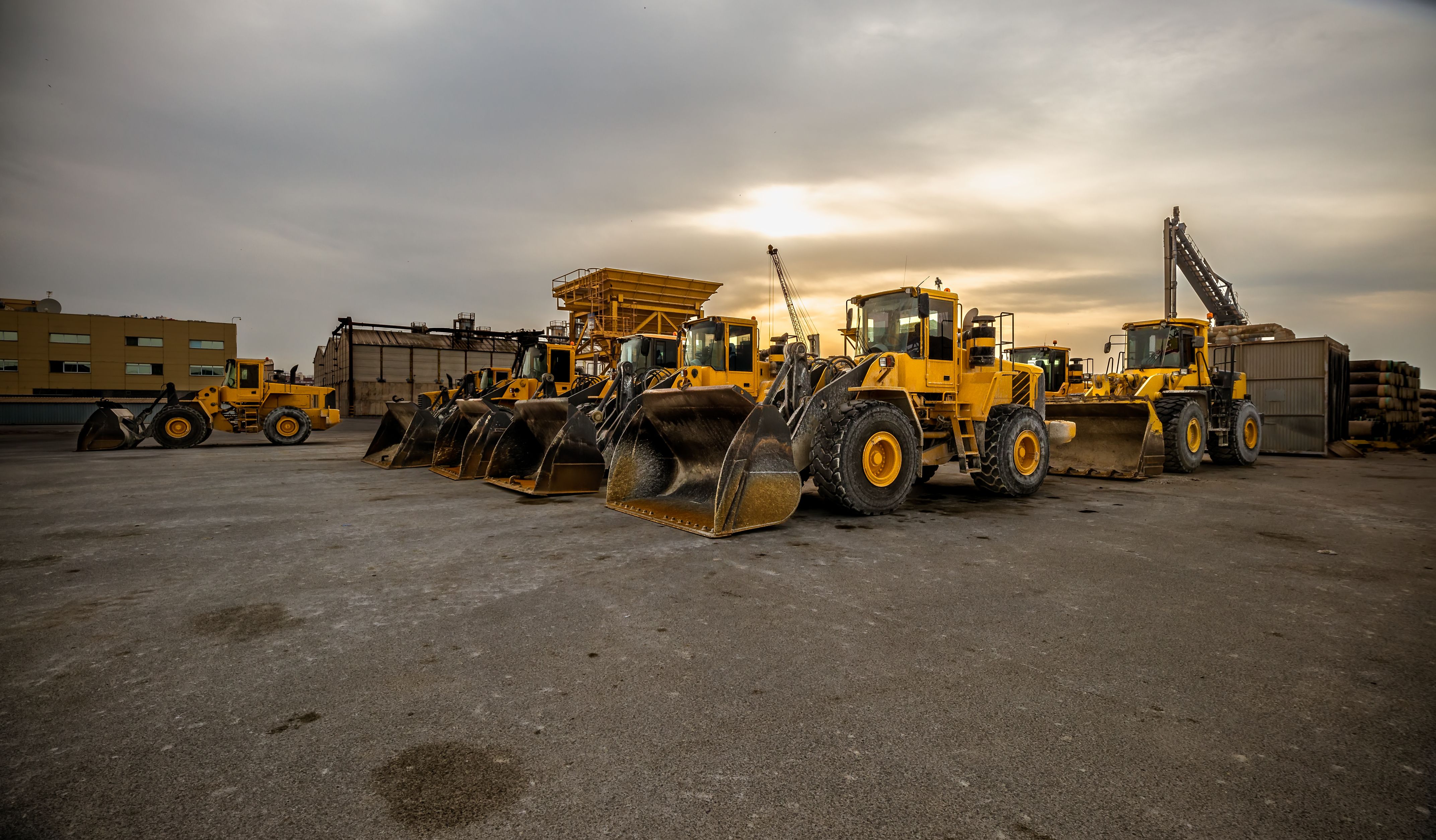
Choosing local aggregates can significantly impact the efficiency and sustainability of your project. One of the primary advantages is the reduced transportation cost. By sourcing materials locally, you minimize the distance they need to travel, which can lead to substantial savings in both time and money.
Moreover, using local aggregates often supports the local economy. It creates jobs and bolsters local businesses, fostering a more sustainable community. Additionally, local materials are typically more environmentally friendly due to the reduced carbon footprint associated with transportation.
Challenges of Using Local Aggregates
Despite the benefits, there are potential drawbacks to using local aggregates. The availability of high-quality materials can vary significantly based on geographical location. In some areas, the desired type or quality of aggregate may be scarce, requiring compromises on project specifications.
Advantages of Imported Aggregates
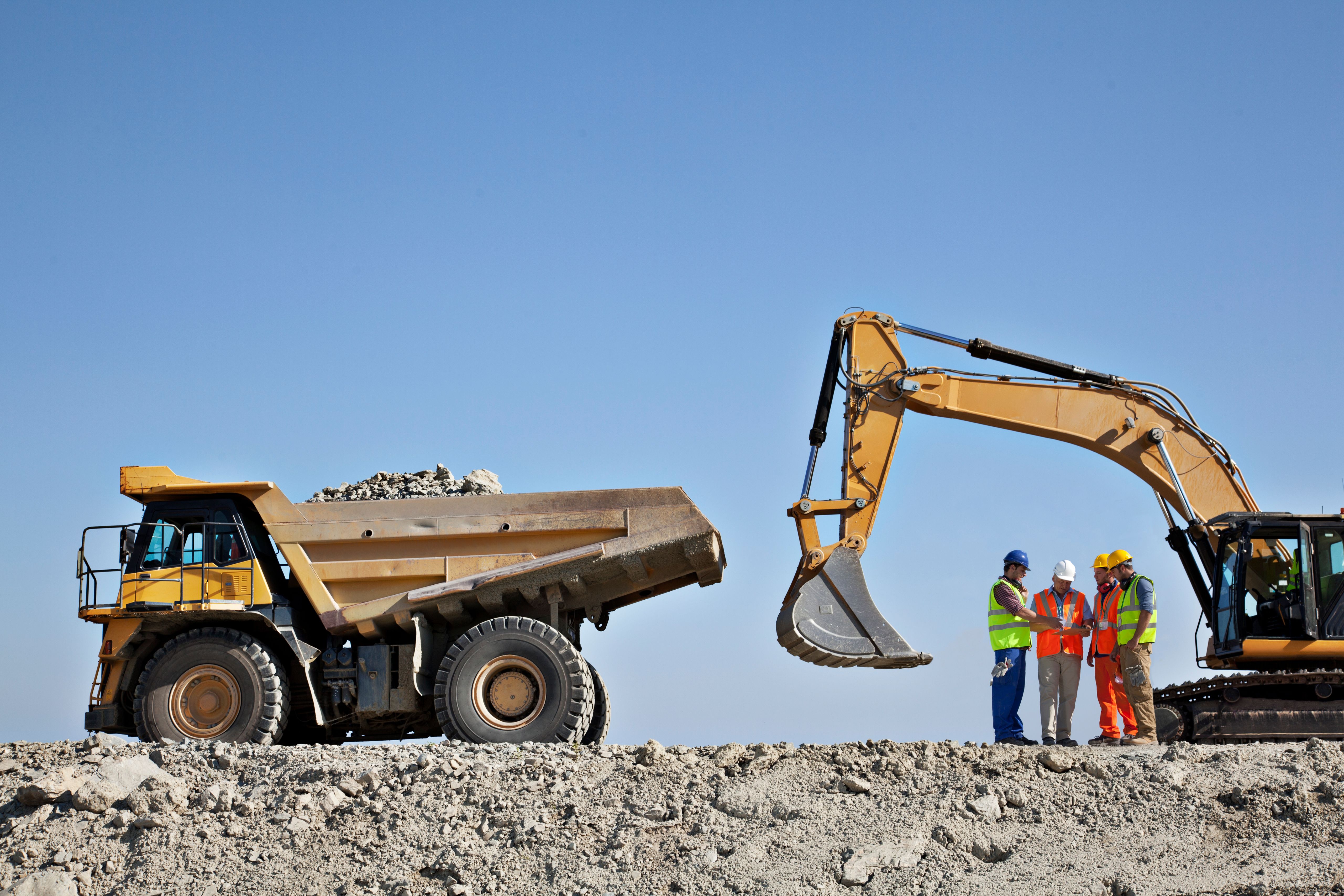
Imported aggregates offer access to a broader range of materials. This variety can be particularly beneficial for specialized projects requiring specific types or qualities of aggregate that are not available locally. Importing allows you to select the best possible materials for your project’s needs.
Another advantage is the potential for competitive pricing. In some cases, imported materials may be more cost-effective due to bulk purchasing agreements or international market conditions.
Considerations When Importing Aggregates
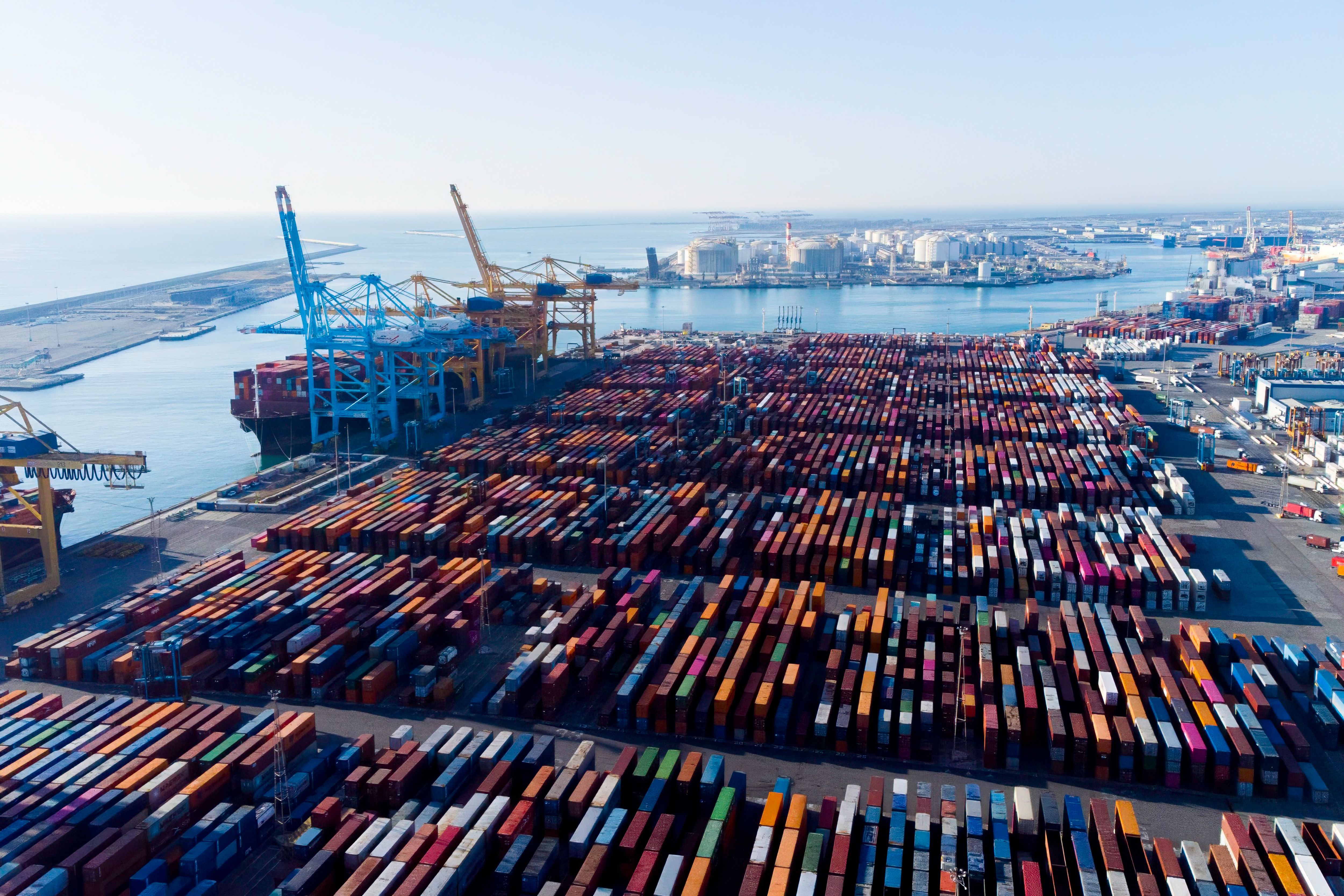
However, importing aggregates comes with its own set of challenges. Transportation costs can be significantly higher, which may negate any initial savings. Additionally, longer transportation distances can lead to delays, impacting project timelines.
Making the Right Choice for Your Project
When deciding between local and imported aggregates, it’s essential to consider the specific needs of your project. Evaluate factors such as budget, timeline, and environmental impact. Consulting with local suppliers and industry experts can provide valuable insights into the best options available.
Ultimately, the decision will depend on balancing cost, quality, and sustainability. By carefully assessing these factors, you can ensure that your project not only meets its technical requirements but also aligns with broader economic and environmental goals.