
Comparing Construction Aggregates: How to Choose the Right Materials


Understanding Construction Aggregates
When embarking on a construction project, selecting the right materials is crucial for ensuring durability and longevity. Construction aggregates are one of the most important components, providing stability and support. These materials include sand, gravel, crushed stone, and recycled concrete, each serving unique purposes.
Choosing the right aggregate depends on several factors such as the type of project, environmental conditions, and budget. Understanding the characteristics and benefits of each material can help make an informed decision.
Types of Construction Aggregates
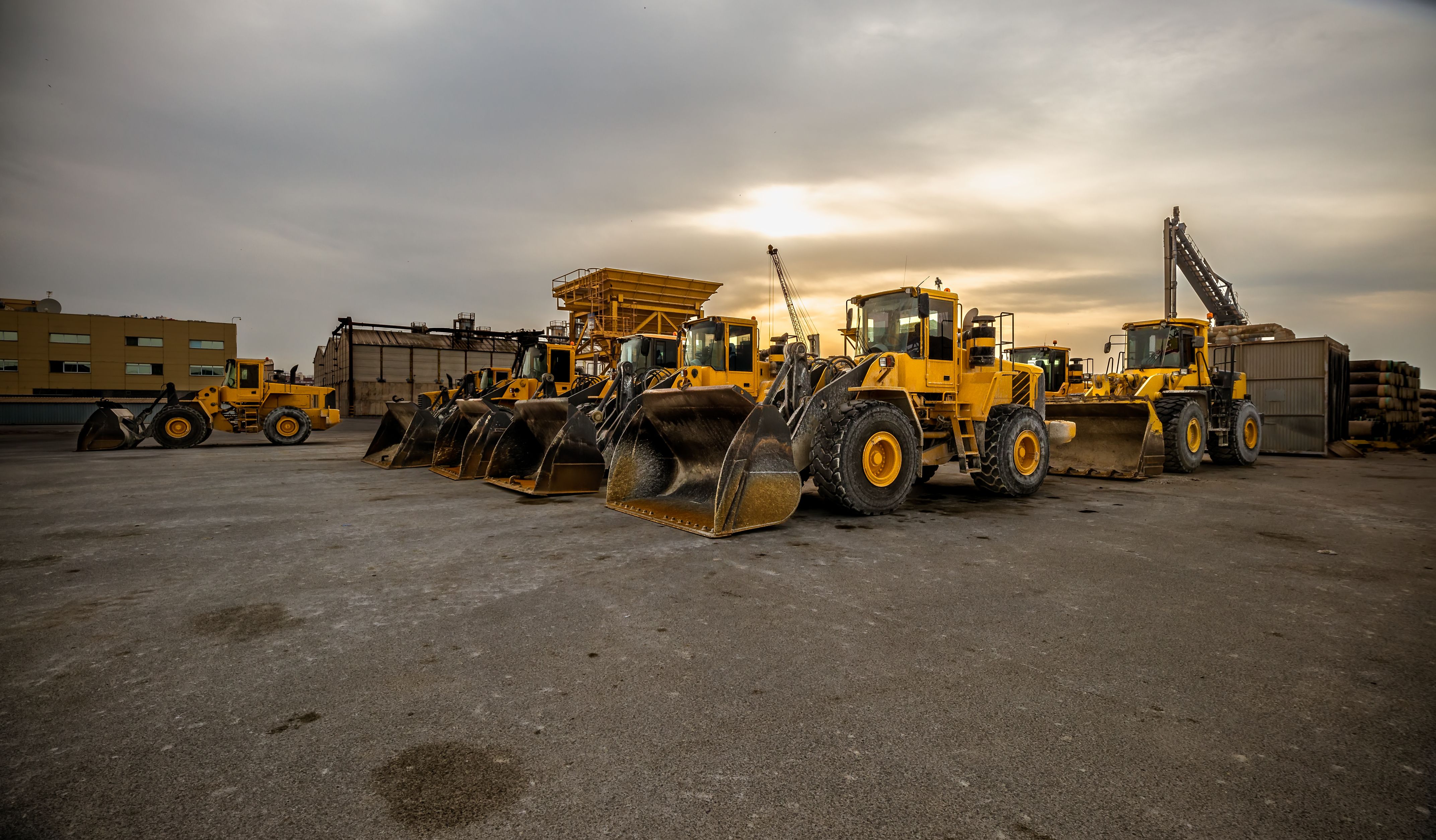
Each aggregate type has specific properties. Sand is often used in concrete and mortar, offering strength and workability. Gravel, with its rounded particles, is ideal for drainage and landscaping. Crushed stone is versatile, used in road base and concrete. Finally, recycled concrete is an eco-friendly option, reducing the need for new raw materials.
When deciding on an aggregate, consider the project’s requirements. For example, a road construction project may require durable crushed stone, while a decorative garden path might benefit from the aesthetic appeal of gravel.
Factors to Consider When Choosing Aggregates
Several factors should guide your choice of aggregates:
- Compressive Strength: Essential for load-bearing structures.
- Durability: Determines the lifespan and maintenance needs.
- Size and Shape: Affects the workability and finish.
- Environmental Impact: Consider recycled options for sustainability.

Environmental Considerations
With growing awareness of environmental sustainability, the construction industry is leaning towards eco-friendly choices. Recycled aggregates are gaining popularity, as they reduce landfill waste and conserve natural resources. Additionally, sourcing locally can minimize transportation emissions.
Choosing the right aggregate not only impacts the project's success but also contributes to environmental sustainability. It's a balance between meeting project specifications and being mindful of ecological impact.
Practical Tips for Selection
To ensure you select the right materials, consider these practical tips:
- Conduct a needs assessment to understand the project's specific requirements.
- Consult with suppliers to explore available options and innovations.
- Test samples to ensure compatibility with project specifications.

Conclusion
Choosing the right construction aggregates is an essential part of any building project. By understanding the different types, considering key factors, and embracing sustainability, you can make informed decisions that enhance both the quality and environmental responsibility of your work.
With careful selection, you not only ensure the structural integrity of your projects but also contribute positively to the environment, paving the way for a sustainable future in construction.