
Common Misconceptions About Infrastructure Contracting in Indonesia


Understanding Infrastructure Contracting in Indonesia
Infrastructure contracting in Indonesia is a complex field, often misunderstood by those outside the industry. These misconceptions can lead to confusion and misjudgments about the processes, challenges, and opportunities involved. In this blog post, we'll explore some of these common misconceptions to provide a clearer picture of the landscape.
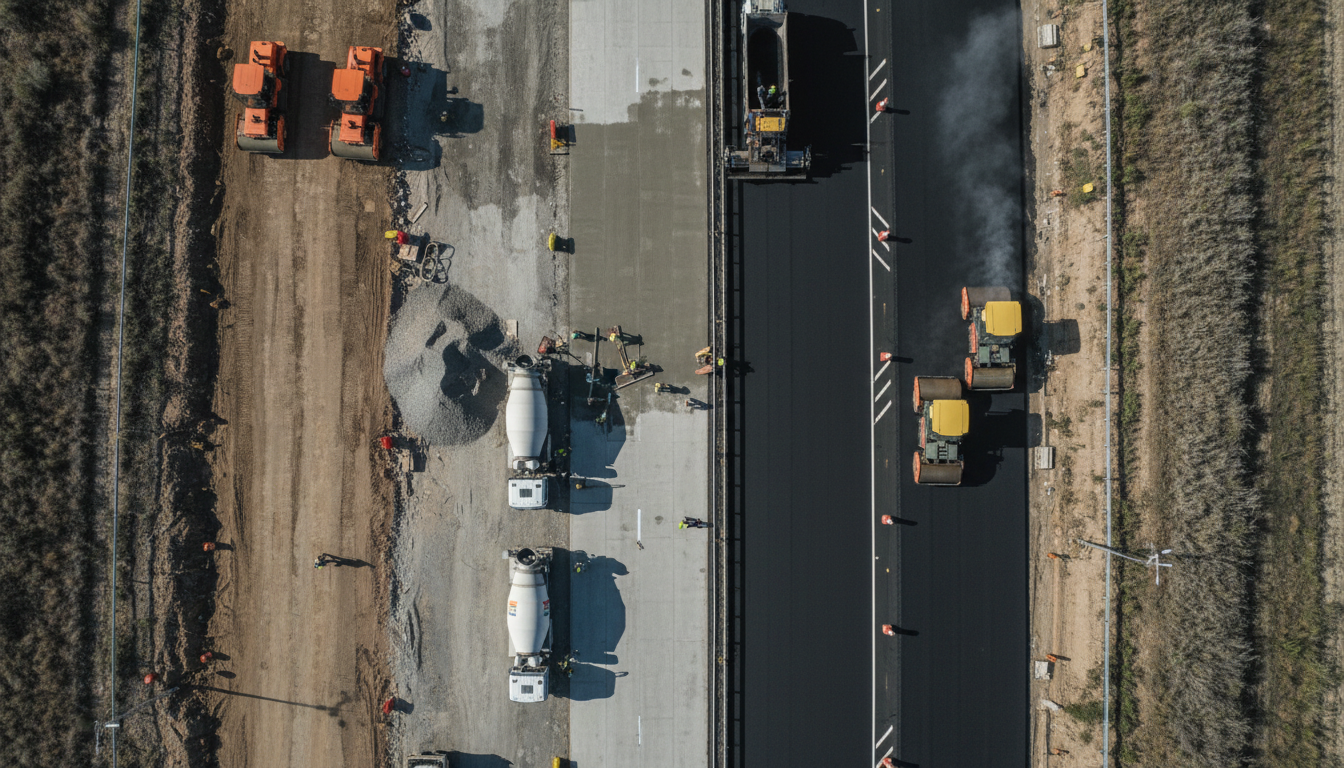
Myth: Infrastructure Projects Are Always Delayed
One prevalent myth is that infrastructure projects in Indonesia are invariably delayed. While it's true that some projects encounter delays, this is not a universal rule. Many factors can influence timelines, including regulatory approvals, environmental assessments, and unexpected weather conditions. Moreover, efforts are being made to streamline processes and improve efficiency.
It's important to recognize that delays can happen anywhere in the world. In Indonesia, government initiatives and public-private partnerships are actively working to minimize these occurrences and enhance project delivery.

Misconception: Quality Standards Are Low
Another misconception is that infrastructure projects in Indonesia suffer from low-quality standards. This perception fails to acknowledge the rigorous regulations and oversight that are in place. The Indonesian government has implemented strict guidelines to ensure that infrastructure projects meet international standards of quality and safety.
Additionally, many international companies involved in these projects bring their expertise and high standards, further elevating the quality of infrastructure contracting in the region.
Assumption: Only Large Corporations Are Involved
Many people believe that only large, multinational corporations are involved in infrastructure projects in Indonesia. In reality, the sector is diverse, with numerous small and medium-sized enterprises (SMEs) playing crucial roles. These local businesses often provide specialized services and have a deep understanding of the local context and challenges.

Belief: Infrastructure Projects Are Not Environmentally Friendly
A common belief is that infrastructure projects inherently harm the environment. However, there is a growing emphasis on sustainability and eco-friendly practices within the industry. Many projects now incorporate environmental impact assessments and strive to minimize their ecological footprint.
Innovations in green technology and sustainable design are being increasingly integrated, showcasing a commitment to protecting Indonesia's rich natural heritage.
Conclusion: Shifting Perspectives
Understanding these common misconceptions can help demystify infrastructure contracting in Indonesia. By recognizing the efforts being made to improve efficiency, quality, inclusivity, and sustainability, stakeholders can make more informed decisions and contribute to the sector's growth.
As the landscape continues to evolve, staying informed and open to new perspectives will be essential for anyone involved in or affected by infrastructure development in Indonesia.