
Common Misconceptions About Earthworks and Site Preparation


Understanding Earthworks and Site Preparation
Earthworks and site preparation are crucial stages in construction projects, yet they are often misunderstood. These processes lay the groundwork for successful project completion, ensuring stability and durability. Let's address some common misconceptions to provide clarity on these essential construction steps.
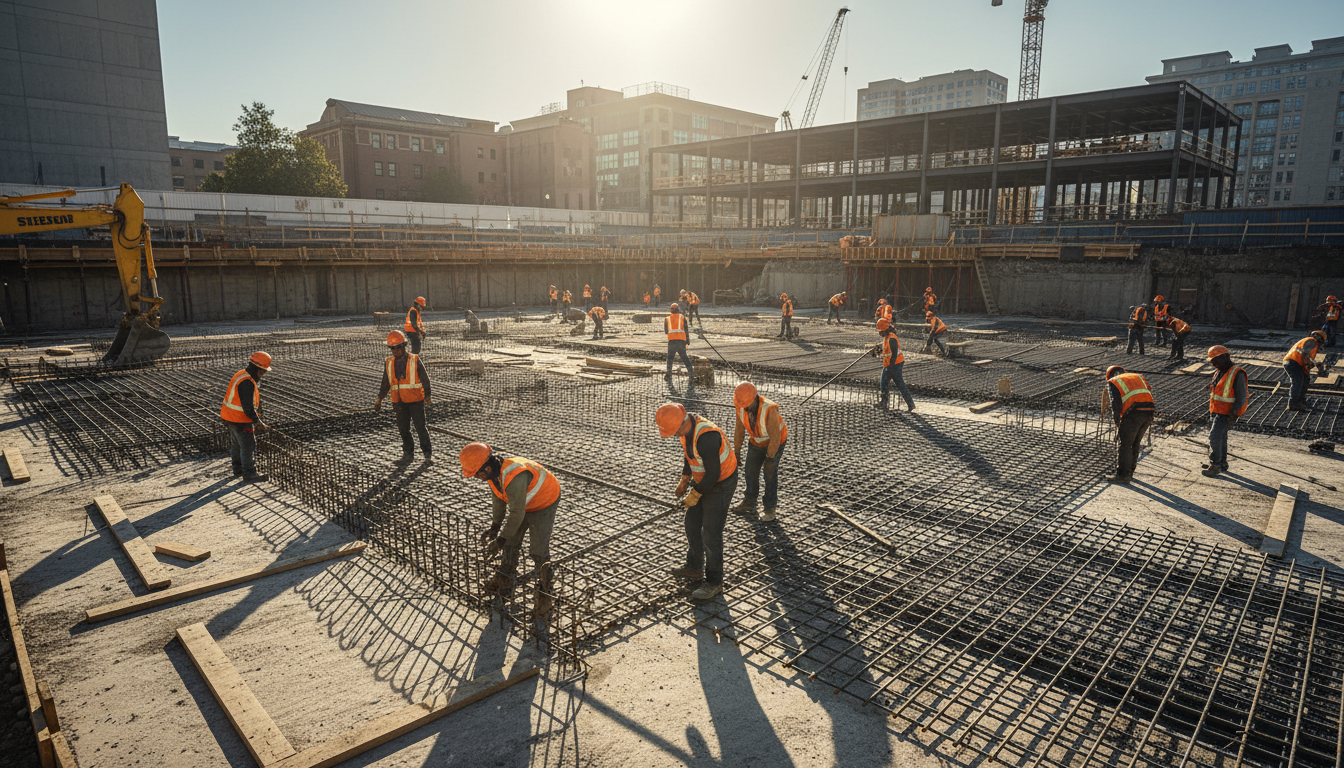
Misconception 1: Earthworks are Only About Moving Dirt
Many people think that earthworks simply involve moving dirt from one place to another. However, this process is much more complex. Earthworks involve a variety of activities, including excavation, trenching, grading, and more. These tasks not only prepare the ground but also help manage water flow and erosion, which are critical for structural integrity.
Proper earthwork requires careful planning and execution, with engineers and specialists working to ensure that the ground can support the intended structures. The soil type, terrain, and environmental factors are all considered to create a stable foundation.
Misconception 2: Site Preparation is a Quick Process
Another common misconception is that site preparation is a quick and easy process. In reality, it is a meticulous phase that involves several steps, each crucial for the project's success. These steps include clearing the site, surveying, soil testing, and leveling, among others.
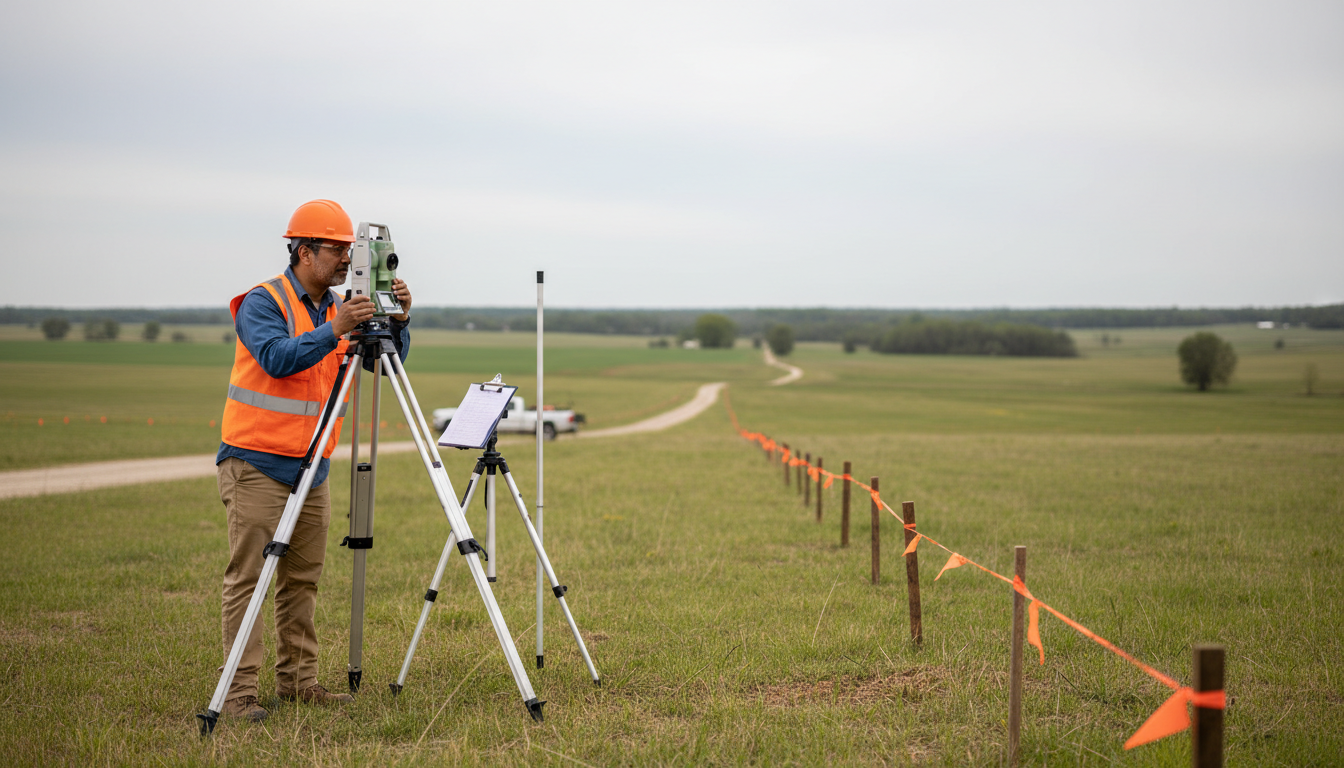
The time required for site preparation depends on various factors such as the size of the site, the complexity of the terrain, and weather conditions. Rushing through this phase can lead to significant issues later in the construction process.
Misconception 3: Any Contractor Can Handle Earthworks
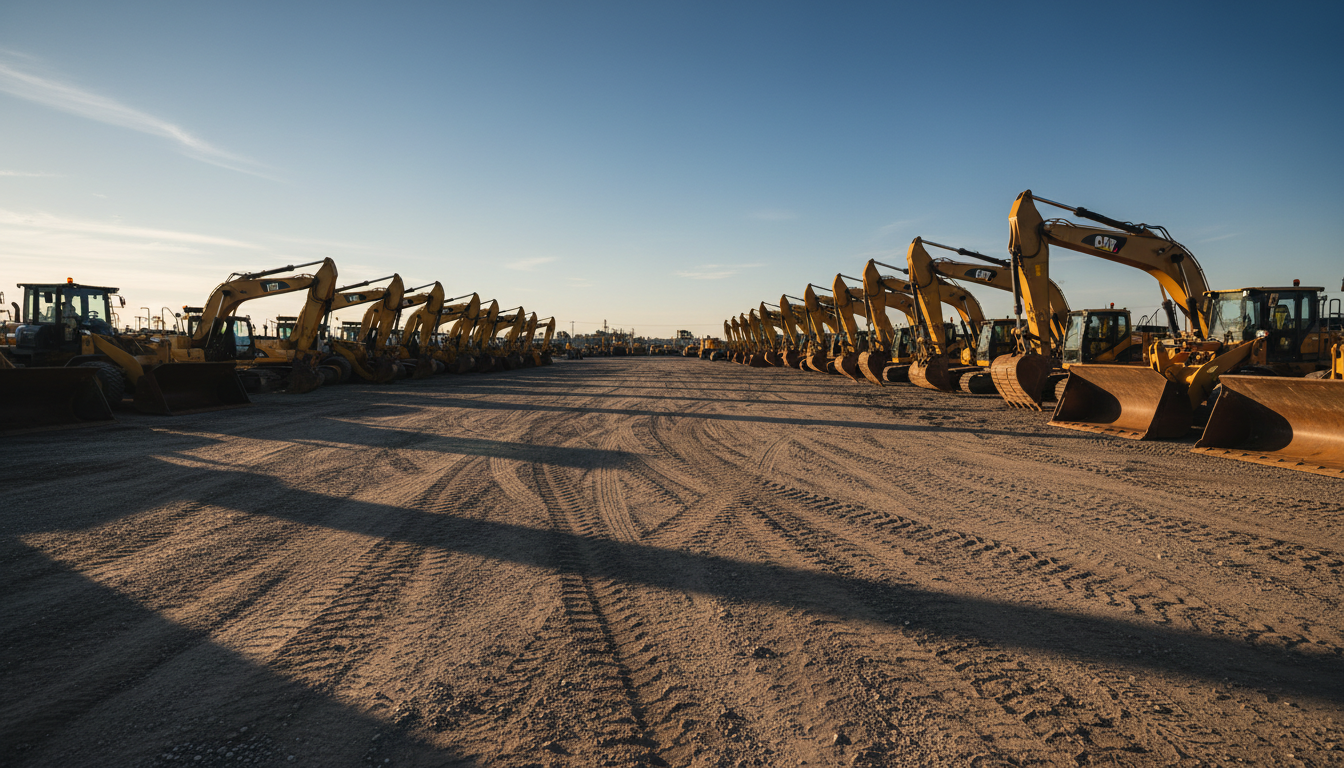
Some believe that any contractor can manage earthworks and site preparation. However, these tasks require specialized knowledge and equipment. Hiring experienced professionals ensures that the work is done correctly and efficiently, minimizing risks and potential setbacks.
Professionals in earthworks use advanced machinery and techniques to achieve precise results. They also adhere to safety and regulatory standards, which is crucial for both the construction team and the environment.
Misconception 4: Environmental Impact is Negligible
People often underestimate the environmental impact of earthworks and site preparation. While these activities are necessary, they can significantly affect the surrounding ecosystem if not managed properly. Erosion, sedimentation, and habitat disruption are potential issues that need careful consideration.
Modern construction practices emphasize sustainability, incorporating strategies to minimize environmental impact. This includes using erosion control measures, recycling materials, and planning for land rehabilitation after construction.
Conclusion
Understanding the complexities of earthworks and site preparation helps in appreciating the importance of these processes in construction. By debunking these misconceptions, stakeholders can make informed decisions, ensuring the success and sustainability of their projects. Always engage qualified professionals and embrace sustainable practices to achieve optimal results.